Success and service: Indigenous athletes make indelible mark on province

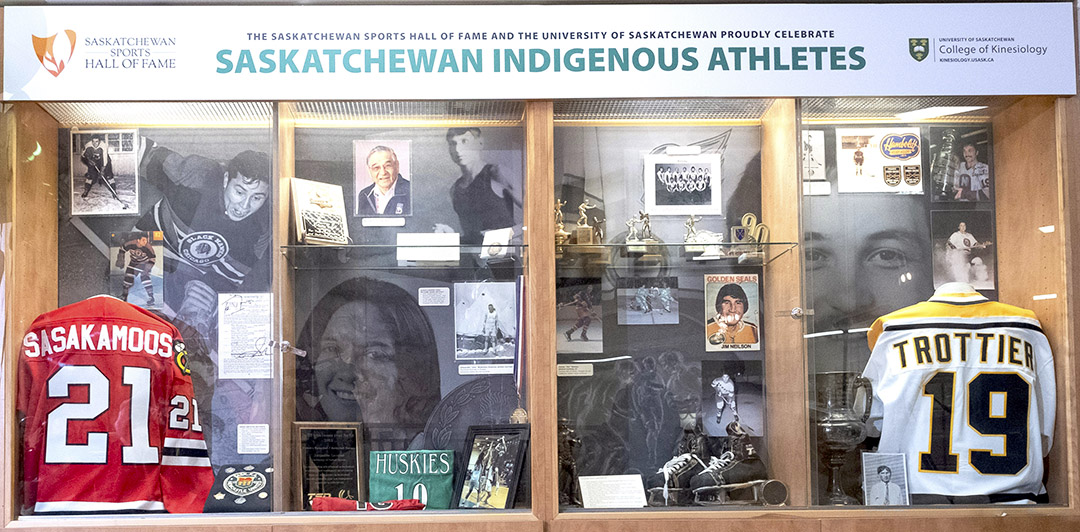
June 21 is National Indigenous Peoples Day. In the spirit of the Truth and Reconciliation Commission of Canada’s 87th Call to Action, the Saskatchewan Sports Hall of Fame marks this day by celebrating Indigenous excellence and achievement in sport. In doing so, the SSHF also looks to put a spotlight on the challenges and hardships that the SSHF’s Indigenous inductees overcame in achieving their goals.

The SSHF currently has 11 individual inductees who identify as Indigenous. Each has a unique story, but service to community and success over hardship are common themes with each athlete or builder.

Paul Acoose was from the Zagime Anishinabek (Sakimay) First Nation and came from a long line of distance runners. His competitive career was short, but he set a world record and defeated famed distance runner Tom Longboat before returning home to farm and raise a family.

Colette Bourgonje is a 10-time Paralympian and the first Canadian to compete in both a Summer and Winter Paralympics. Eighteen years after her Paralympic debut she won Canada’s first medal at the 2010 Paralympic Winter Games in Vancouver. There she also received the Whang Youn Dai Achievement Award, which is awarded each Games to a male and female athlete who best exemplifies the spirit of the Games “who prioritizes the promotion of the Paralympic Movement above personal recognition.”

Tony Cote had a lasting impact on the Cote First Nation where he created numerous athletic opportunities for young people. Those athletic opportunities extended across the province when he created the first Saskatchewan First Nations Summer Games in 1974. There is now a distinct Summer and Winter Games and they have both been named after Cote in his honour. Cote became Chief of the Cote First Nation also served during the Korean War.
Alex Decoteau

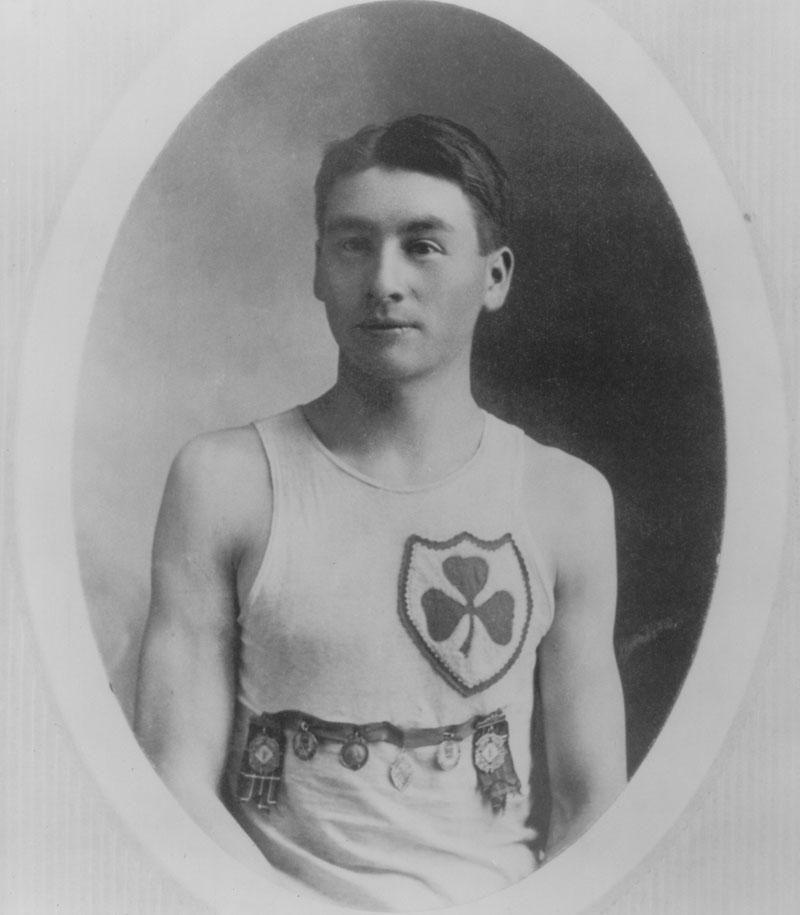
Alex Decoteau

Alex Decoteau has the distinction of being the first athlete born in what is now known as Saskatchewan to compete at the Olympic Games. Decoteau, from the Red Pheasant Cree Nation, finished sixth in the 5,000-metre run at the 1912 Stockholm Games despite suffering from leg cramps. He would also become the first Indigenous police officer in Canada and was killed serving in the Canadian Expeditionary Force in 1917 during the First World War.

David Greyeyes was another SSHF Indigenous inductee who served in the military. Greyeyes served in the Canadian Army during the Second World War. While overseas, the gifted soccer player, was a member of the Canadian team that won the Inter-Allied Games in 1946. He was chosen to represent Saskatchewan against top touring English teams in 1937, 1938 and 1949 – a testament to his longevity as a top player.
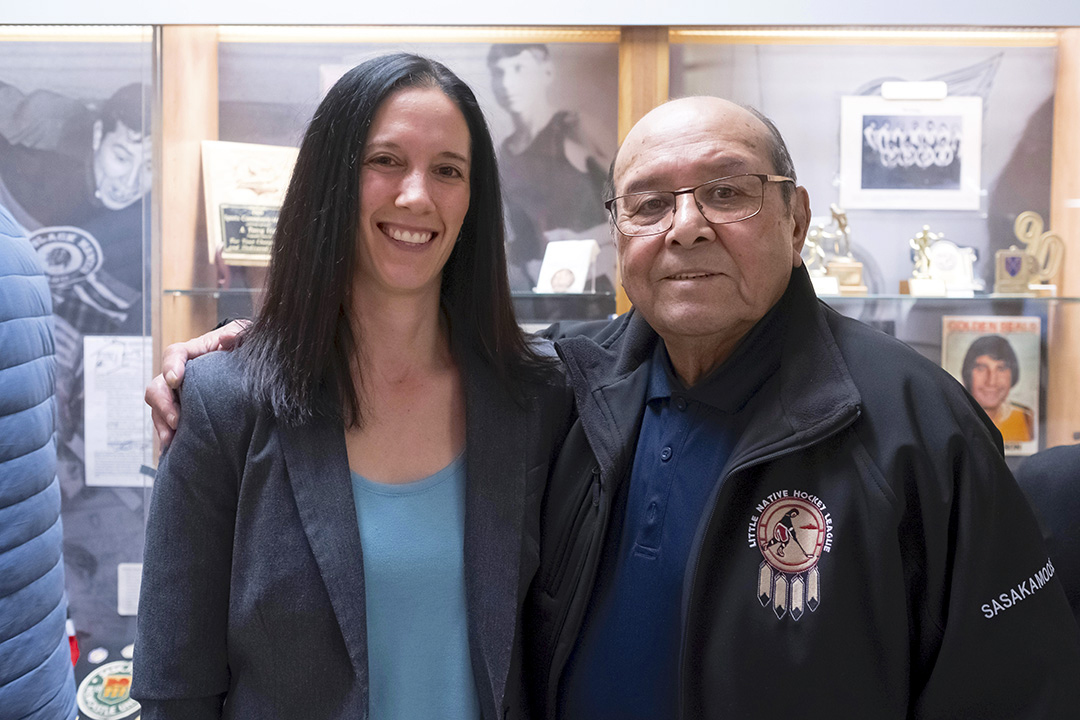
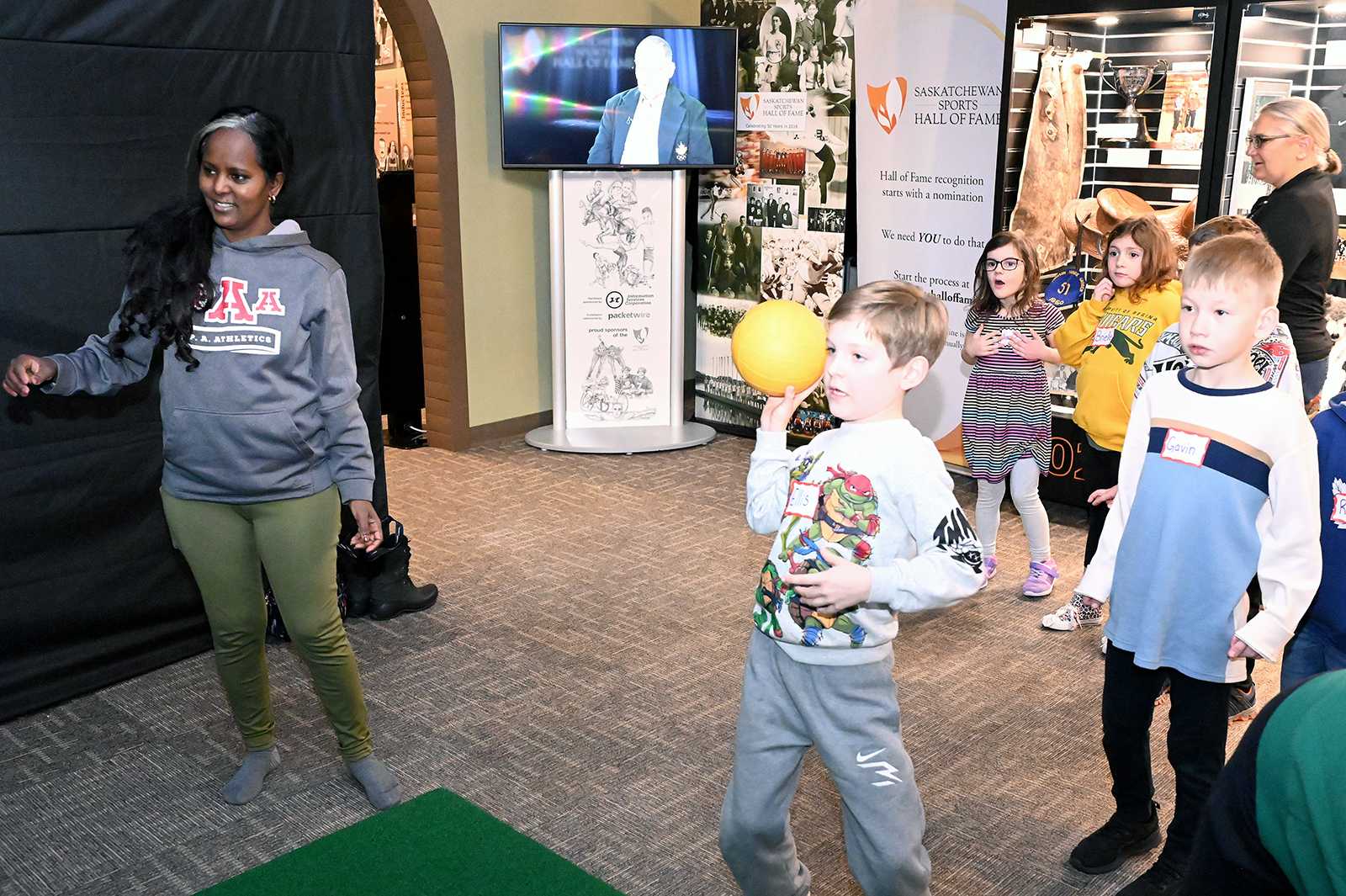
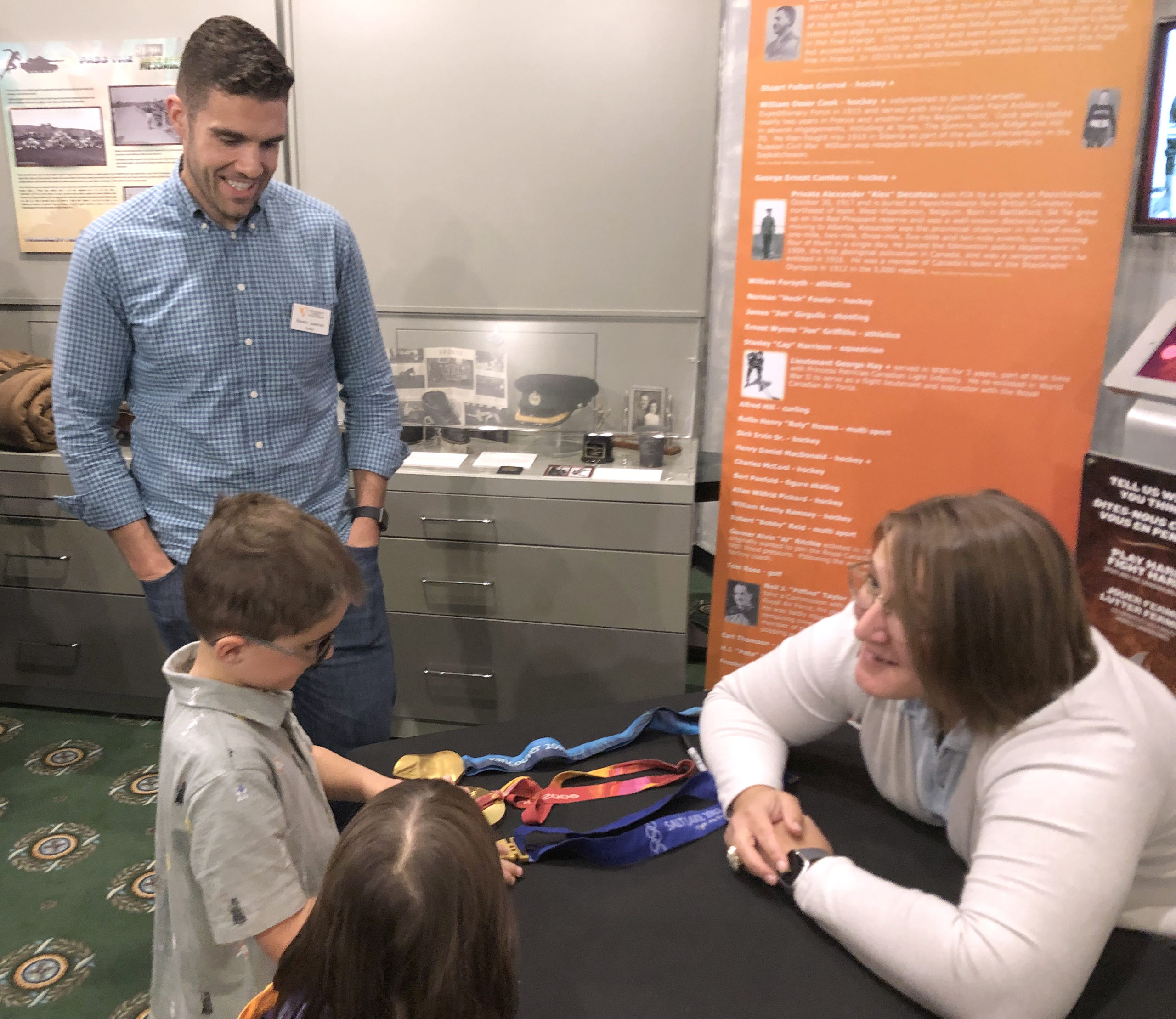
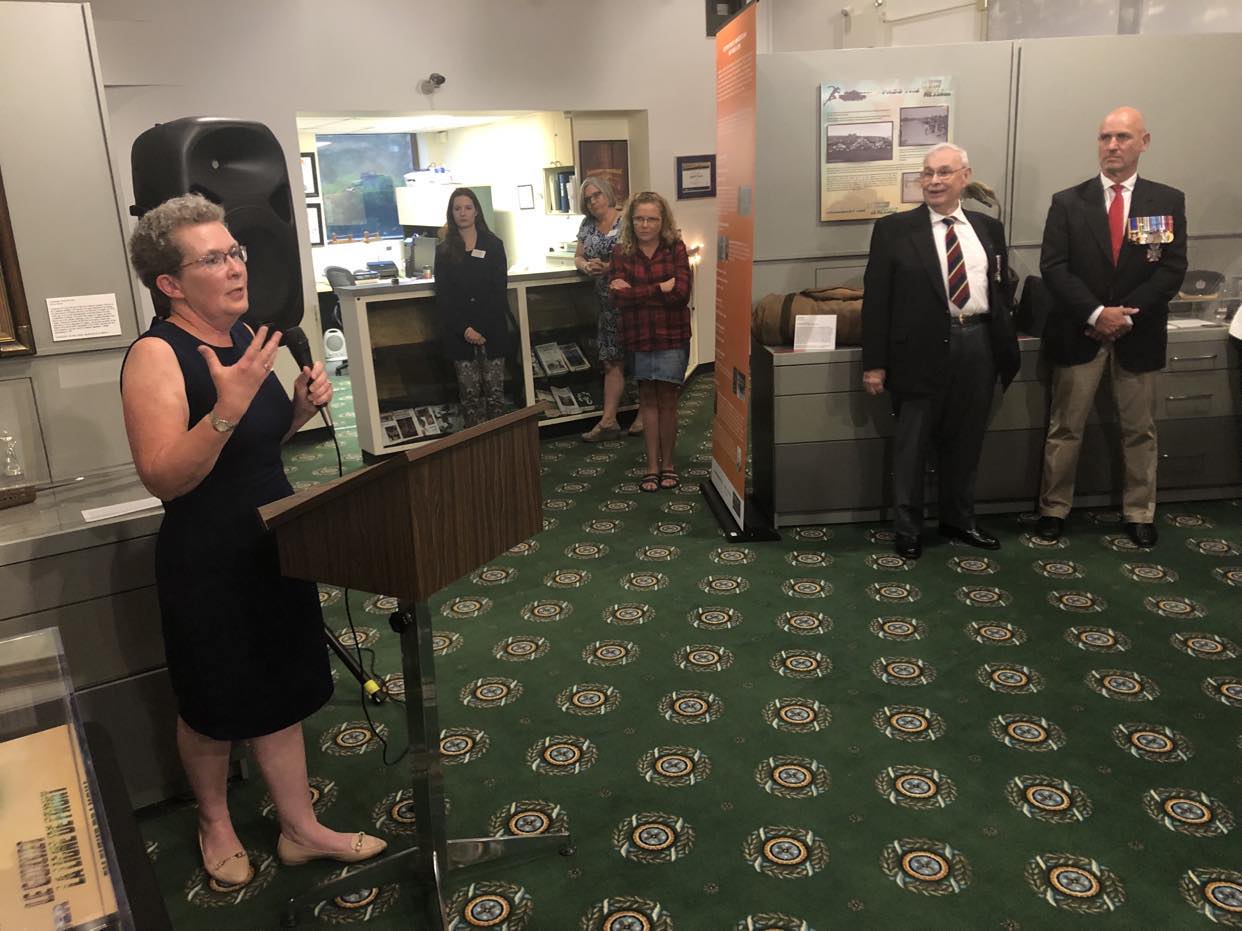
Jacqueline Lavallee and Fred Sasakamoose at the opening of the SSHF’s Indigenous sport exhibit at the University of Saskatchewan.
David Stobbe/StobbePhoto.ca

Jacqueline Lavallee was a two-sport star at the University of Saskatchewan where she was a Canadian Interuniversity Sport (CIS) All-Canadian in both soccer and basketball. She played for Canada at the World University Games twice and was a member of the women’s national basketball team for three years. She has been an assistant women’s basketball coach at the U of S for 14 seasons.

Ray Mitsuing was posthumously inducted as the first chuckwagon racer in the Hall of Fame in 2024 following his stories career that saw him qualify to compete at the Calgary Stampede for 36 consecutive years. In 1992 he won the Aggregate Championship at the Calgary Stampede and also earned the fastest time award there three times. He won the Canadian Professional Chuckwagon Association championship seven times during his distinguished career.

Jim Neilson was born in Big River, but grew up in an orphanage in Prince Albert. From those humble beginnings he would go on to play more than 1,000 games in the National Hockey League (NHL). Neilson spent 12 of his 16 years in the NHL with the New York Rangers where he played in a two NHL All-Star Games and finished fourth in voting for the Norris Trophy as the NHL’s best defenceman in 1968. He finished his career in 1979 playing alongside Wayne Gretzky during his rookie season in Edmonton.

Claude Petit also served in the Canadian Army during the Korean War and he too would compete athletically while serving overseas. Petit was a five-time Canadian Army heavyweight boxing champion and was also the only Canadian to win the British Army Heavyweight title. Inducted as a builder, Petit coached Team Canada at international competitions, worked as an official for several years and served nine years as president of the Saskatchewan Boxing Association.

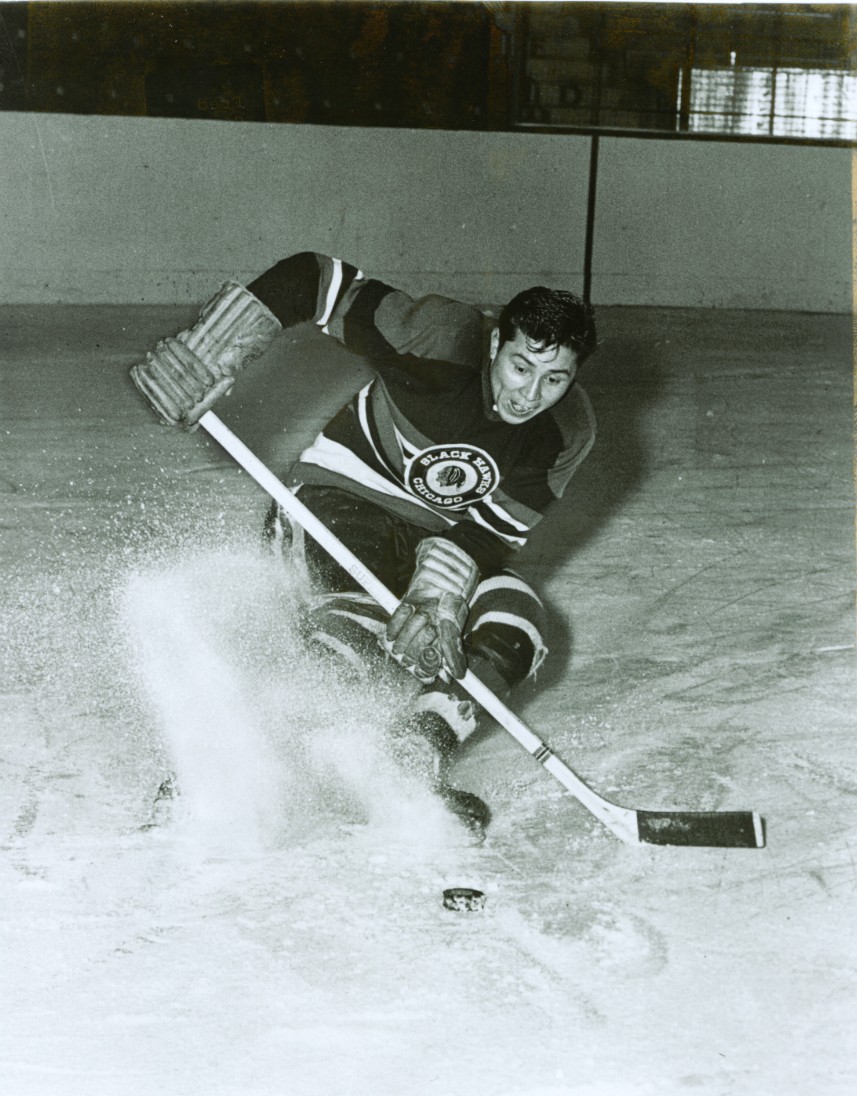
Fred Sasakamoose was born in the Ahtahkakoop Cree Nation, but was taken from his family when he was six and suffered abuse at the St. Michael’s Residential School. Sasakamoose managed to thrive as a hockey player, being named the Most Valuable Player in the Western Canada Junior Hockey League. He made his debut in the NHL with Chicago in 1953-54 at the age of 19. His NHL career lasted 11 games, but his story had an enduring impact. Sasakamoose became an important community leader and served as Chief for six years. He reclaimed his language, becoming fluent in Cree later in life and worked to promote and develop sport programs for youth including the Fred Sasakamoose “Chief Thunderstick” Championship. In 2018 he was made a member of the Order of Canada.

 Bryan Trottier is one of the most successful hockey players to come from Saskatchewan. He has won six Stanley Cups, the most of anyone in the province. Trottier scored 524 goals and had 1,425 points in 1,279 NHL regular-season games. He was also played in eight All-Star Games. The Hockey Hall of Famer wrote on the NHL website about his youth in Val Marie.
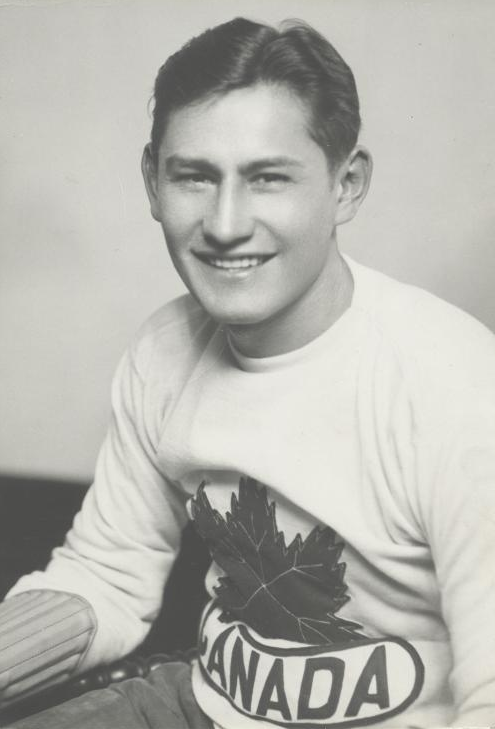
Kenneth Moore is inducted as a member of the 1930 Memorial Cup-champion Regina Pats hockey team. Moore would go on to win an Olympic gold medal in 1932 with a team based out of Winnipeg. Moore, from the Peepeekisis Cree Nation, is believed to be the first Indigenous person to win a gold medal for Canada. There is an excellent account of the toll the Residential School system had on the Moore family and how Kenneth’s parents were able to escape and spare him the same horrors that befell some of his siblings.

The Saskatchewan Sports Hall of Fame is proud to be located in Treaty 4 territory, home to the Cree, Dakota, Lakota, Nakoda, and Saulteaux people since time immemorial and are the traditional homelands of the Métis Nation. The Saskatchewan Sports Hall of Fame also celebrates the history of sport and the people from the land that is covered by Treaties 2, 4, 5, 6, 8 and 10. These lands have been the home of the Cree, Dakota, Dene, Lakota, Nakoda, and Saulteaux people since time immemorial and are the traditional homelands of the Métis Nation.

While National Indigenous Peoples Day is an ideal time to celebrate and share these stories and resources, reconciliation is an ongoing process.

The Saskatchewan Sports Hall of Fame expanded the Indigenous inductees exhibit at the Hall of Fame last year. The Hall now features an expanded permanent exhibit dedicated to Indigenous athletes and builders from Saskatchewan and this month the exhibit has a new addition — a dedicated display tablet with 5,400 words telling the stories of some of the province’s great Indigenous athletes.

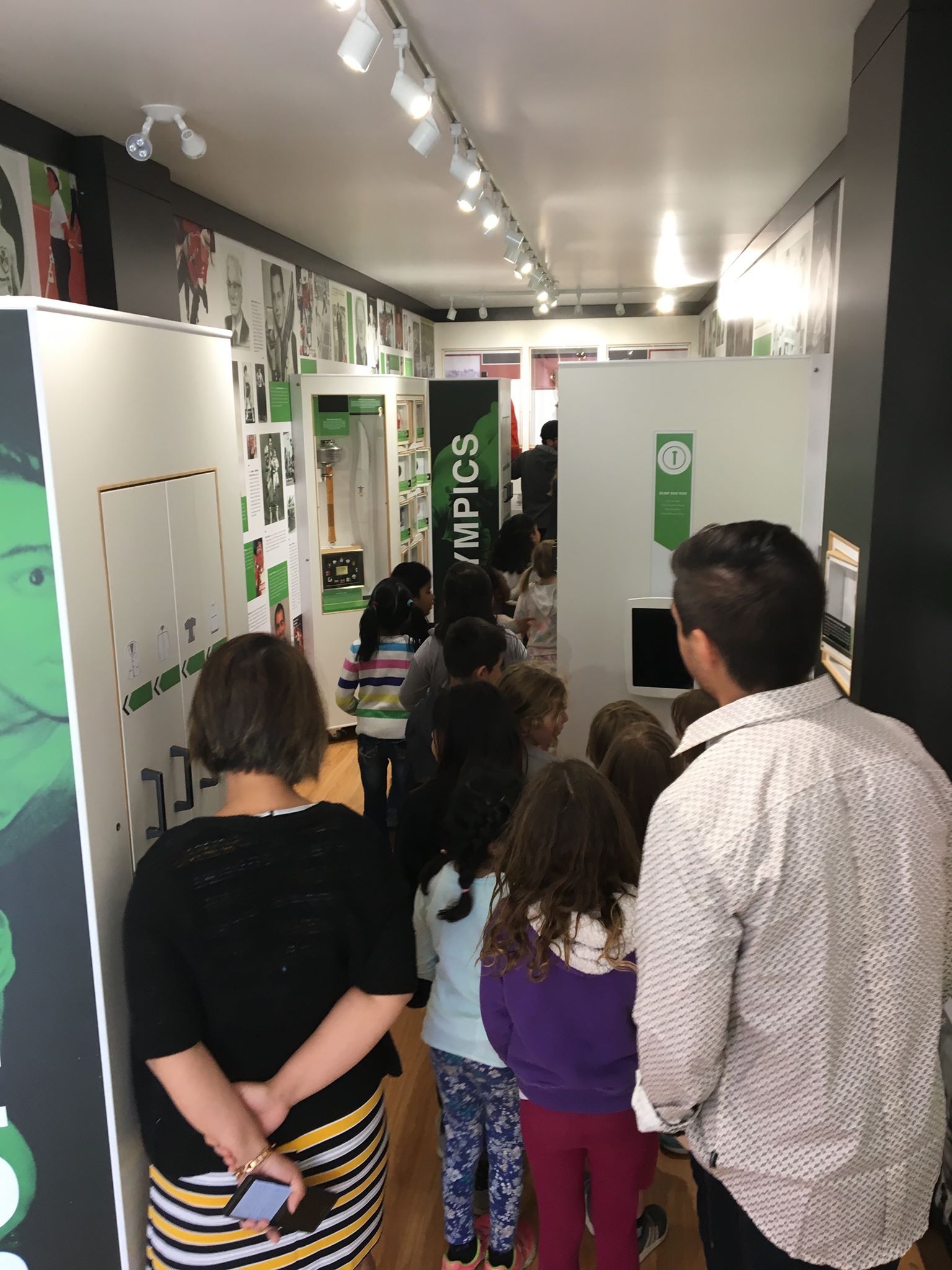
In addition to the newly expanded Indigenous inductees exhibit, the Hall of Fame continues to offer Indigenous Legacies in Sport, an outreach educational program to students across the province. The Hall of Fame has also partnered with the University of Saskatchewan to create a display case and video kiosk celebrating Saskatchewan Indigenous athletes and their achievements. This exhibit is on permanent display in the Physical Activity Complex at the U of S’s College of Kinesiology in Saskatoon.
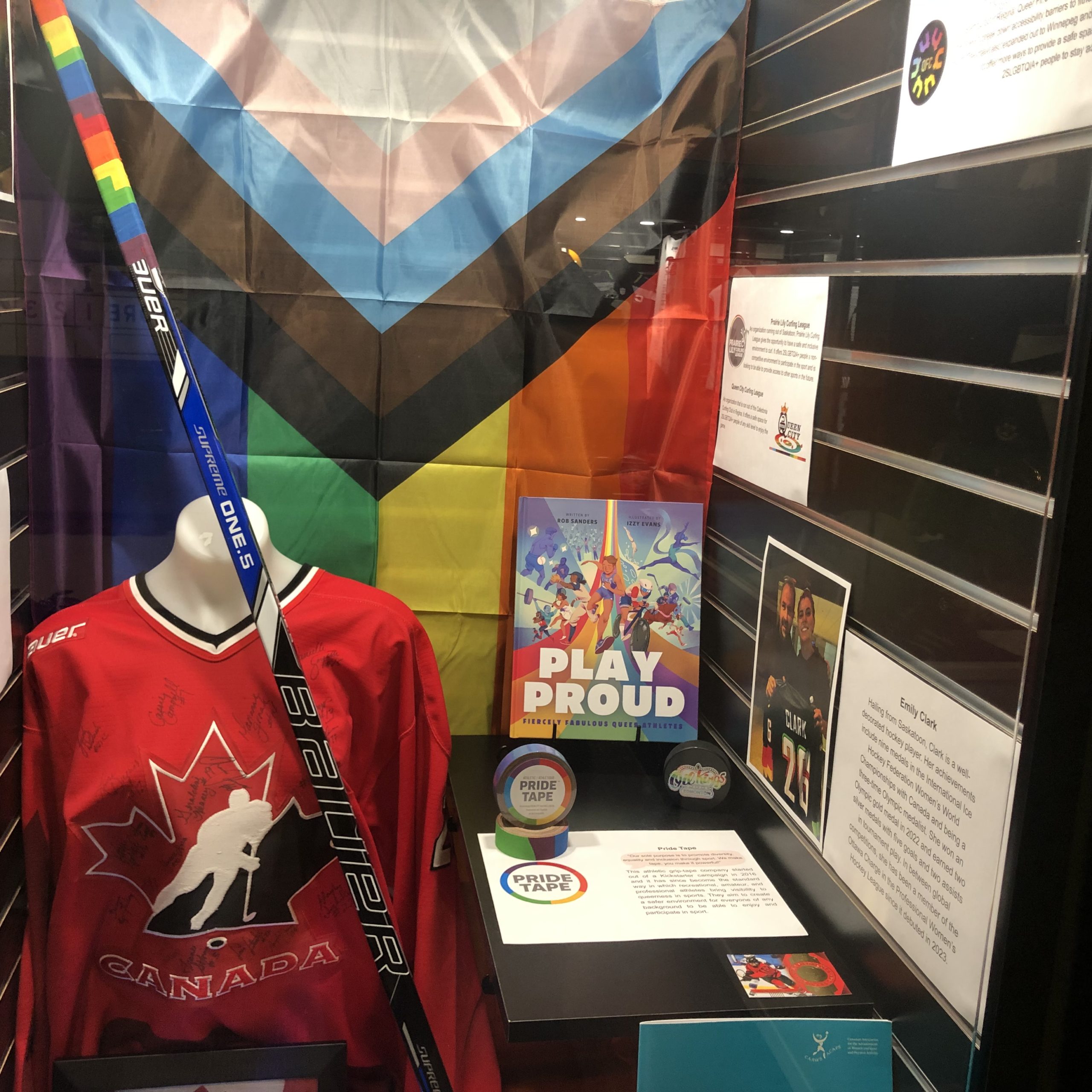
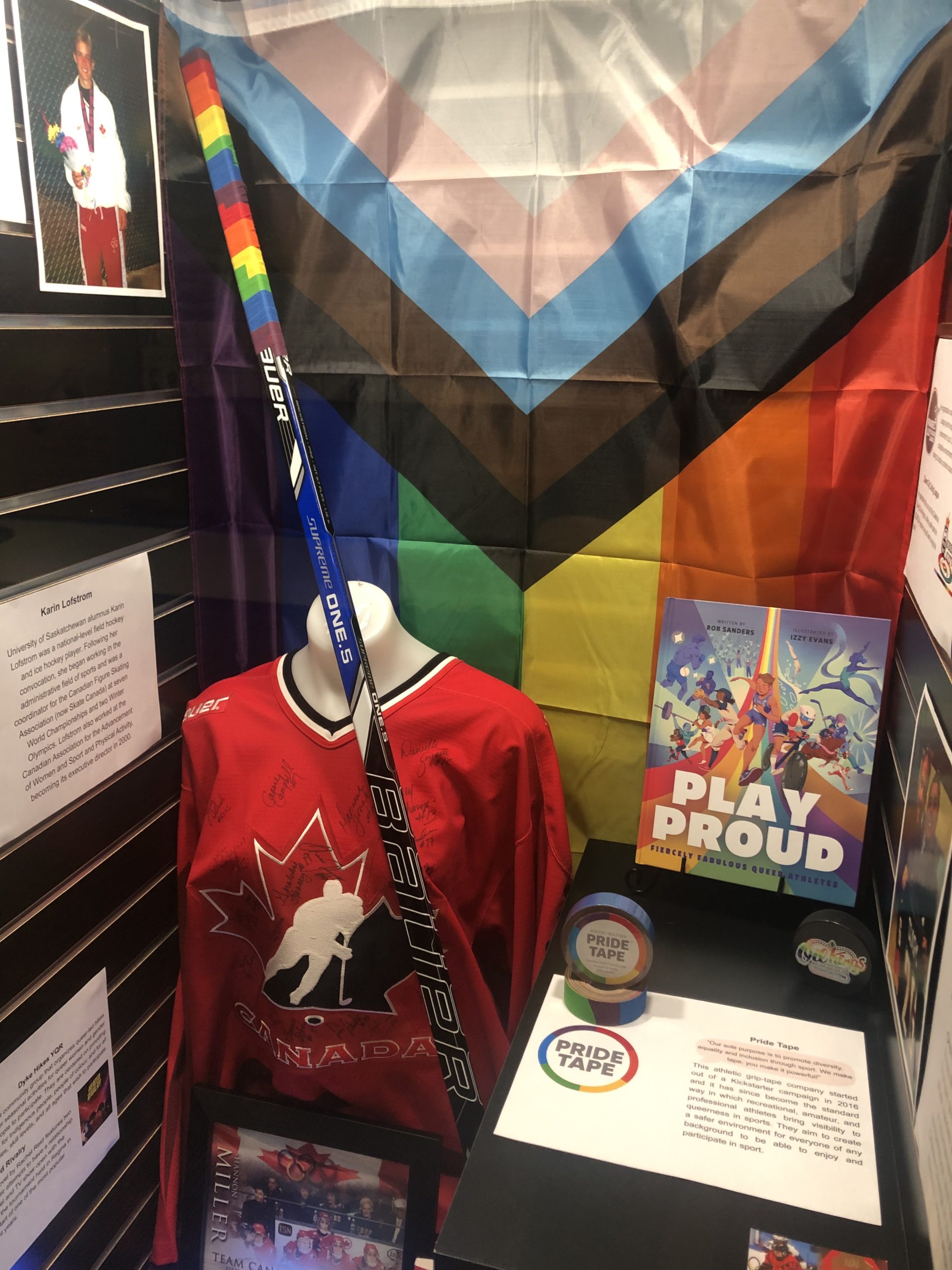
SSHF celebrates Pride month with Game Changers exhibit

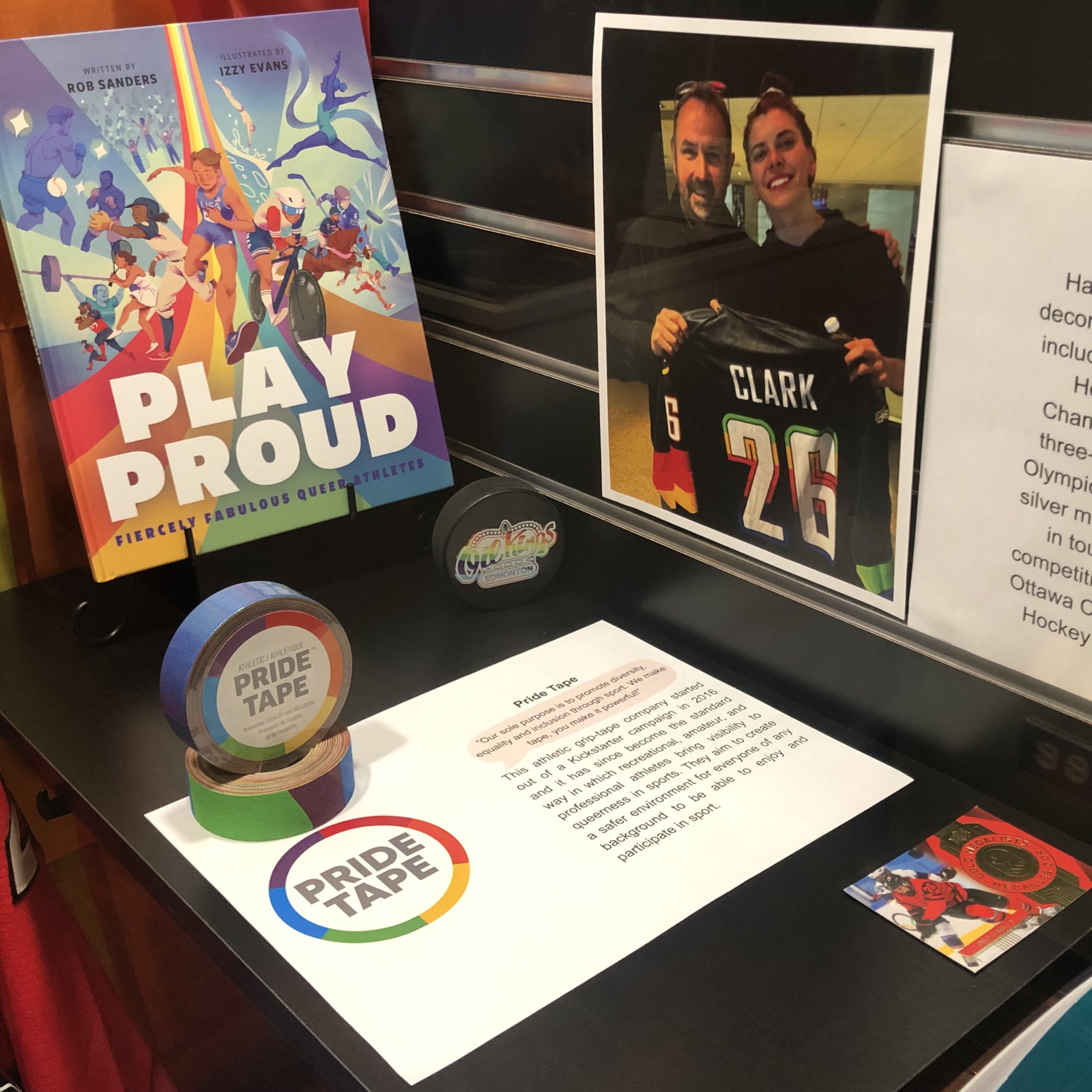
With June being the start of Pride month in Saskatchewan, the Hall of Fame has launched a new exhibit, Game Changers: Pride in Sport, which highlights the stories and achievements of 2SLGBTQIA+ athletes and organizations local to the province.

Oliver Tymo, a member of the SSHF staff, conducted research and interviews to bring Game Changers to life. Tymo spoke with inductees Jacki Nichol and Karin Lofstrom, as well as Colette Parks from the Pile O’ Bones Derby Club in Regina.

Nichol was inducted into the SSHF after a storied softball career, including serving as Canada’s captain at the 2000 Olympic Games. Lofstrom was inducted as a builder, helping create the Canadian Association for the Advancement of Women and Sport and Physical Activities and also serving as its executive director. She also worked for several national sport organizations.

In addition to the Pile O’ Bones Derby Club, there are several other groups around the province highlighted in the exhibit that are creating welcoming and inclusive spaces for 2SLGBTQIA+ people to participate in sport.

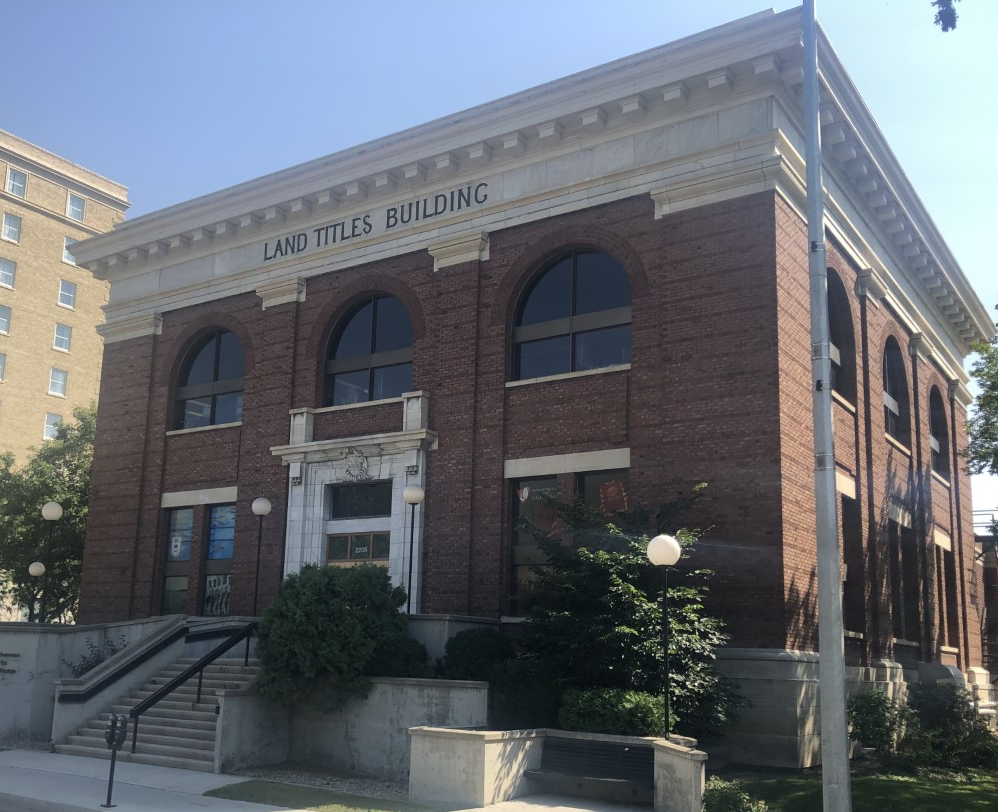
There will be a discussion about the curation of the exhibit by Tymo on Thursday, June 11, at 6 p.m. at the Hall of Fame (2205 Victoria Ave.). The event is free of charge, with donations accepted.

Notice: Annual and Special Meeting to be held on June 16

On behalf of Kelvin Ostapowich, Board Chair of the Saskatchewan Sports Hall of Fame (SSHF), this post serves as an official notice of the Annual and Special Meeting of the Saskatchewan Sports Hall of Fame which will be held at the following date and time:

Date: Tuesday, June 16, 2026
Time: 7:00 p.m.
Location: Saskatchewan Sports Hall of Fame at 2205 Victoria Avenue, Regina
(the meeting can also be accessed virtually via Microsoft Teams)

The agenda will include the Annual Report, presentation of the 2025/26 Financial Statements, the appointment of the auditor for 2026/27, and reports on the election of Board Directors. There are proposed bylaw amendments that necessitate the meeting being designated as a ‘Special’ meeting as opposed to merely an Annual General Meeting.

The meeting package, plus the 2025 Annual Report, 2025/26 Financial Statements, and all other pertinent materials for the Annual and Special Meeting will be posted on the SSHF website and will be available for review before the meeting.

Please fill out the registration form below to RSVP for the meeting. Registrants will receive access credentials to attend the meeting virtually through Microsoft Teams no later than noon on Tuesday, June 16, if that is your preferred method of attending.

All members of the Saskatchewan Sports Hall of Fame in good standing are welcome to virtually attend and vote during the Annual and Special Meeting.

If you are uncertain if you are eligible to vote in the Annual and Special Meeting – or if you have any other questions – please contact the Hall of Fame at 306-780-9232 or email [email protected].

Celebrate 60 years of the Hall of Fame!

The Saskatchewan Sports Hall of Fame is celebrating it’s 60th anniversary in 2026. As part of the celebration, the Hall has launched Played Here: 60 Years of Saskatchewan Sport, our new featured exhibit.

In conjunction with the opening of this new exhibit, the Hall of Fame also debuted its new 60th anniversary logo and t-shirts featuring the new 60th anniversary logo which are available for purchase below or in person at the Hall of Fame (2205 Victoria Avenue, Regina).

The Hall of Fame’s 60th anniversary logo was designed by Graeme Zirk and incorporates the shape of the province with the Hall of Fame’s bright orange colours and a retro-style 60 font.

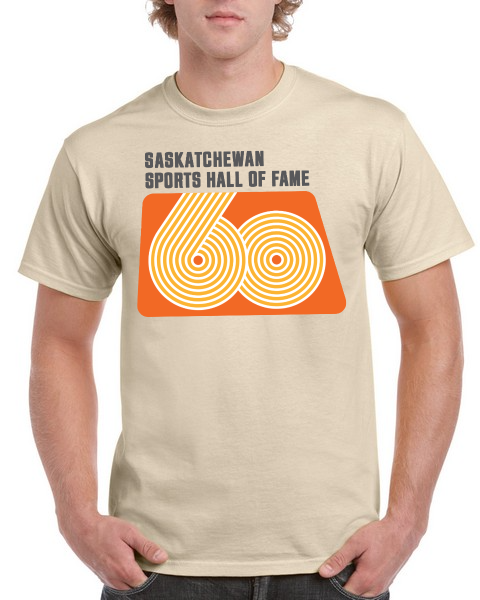
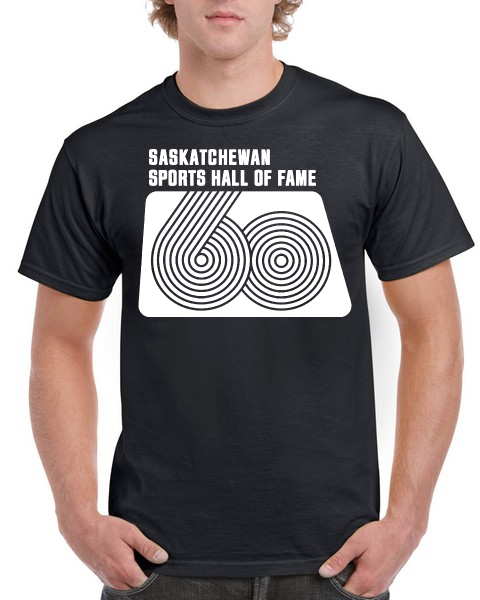
T-shirts featuring the anniversary logo are on sale for $25 (plus GST & PST for a total of $27.75) while quantities last. They are available in two colours: Sand Beige or you can pre-order t-shirts in White and Black. Shirts are available in sizes from small to 3X-large.

Sand Beige

Black and White

Each t-shirt purchased helps support the Hall of Fame and our programming in the upcoming year.

Please use the order form below to order your 60th anniversary t-shirt. If you wish to purchase multiple shirts in different sizes, please complete separate orders in the form for each size, or call the Hall of Fame at (306) 780-9232 and we can fill your order in one transaction.

The past, present & future of women’s baseball

March is Women’s History Month, and the Saskatchewan Sports Hall of Fame marked the occasion by hosting a panel discussion, Diamond Girls to Draft Day: Women in Saskatchewan Baseball Past, Present and Future.

The discussion was hosted by SSHF curator Robyn Jensen and her four guests are writing the next chapter of women’s baseball in Saskatchewan or chronicling its rich history.

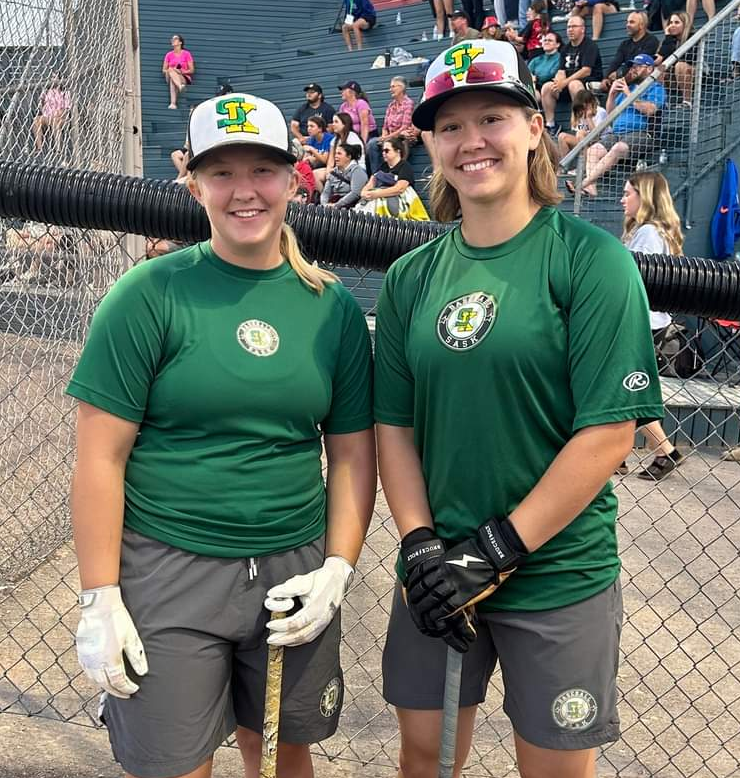
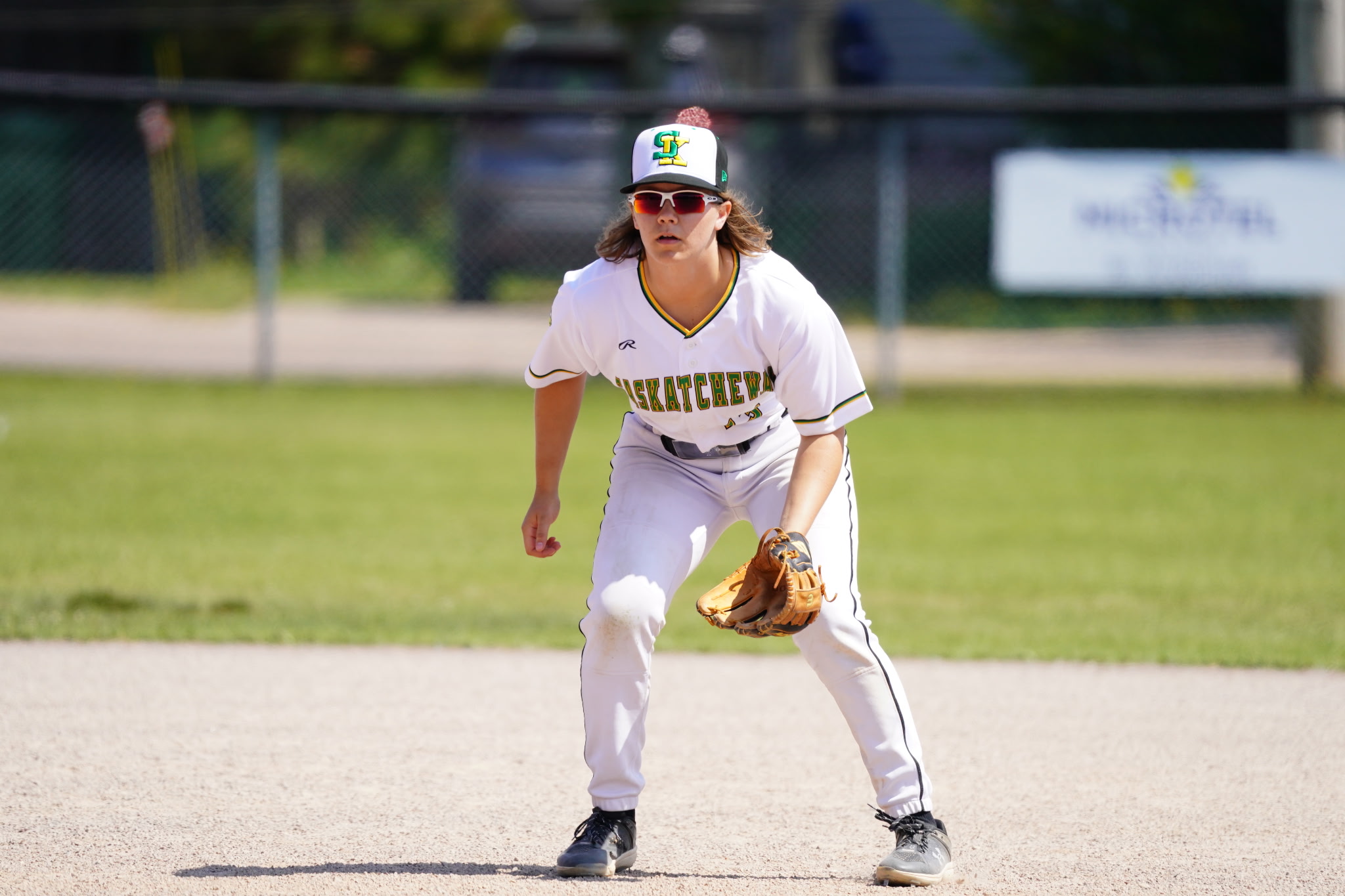
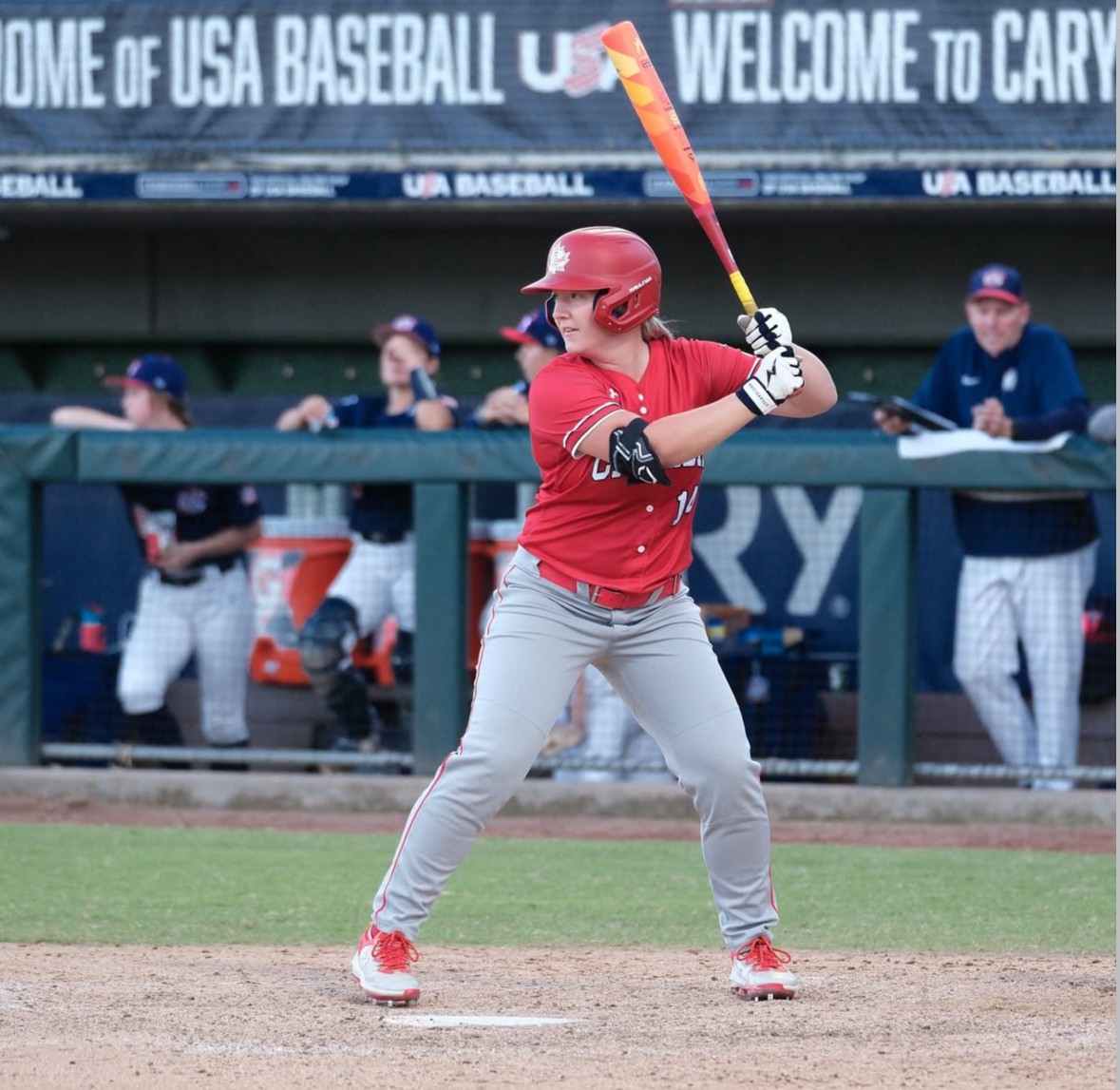
Braidy Birdsall made history during the inaugural Women’s Professional Baseball League Draft. She was the first Saskatchewan-born player to be drafted. A versatile infielder from Saskatoon, she has represented Team Saskatchewan and competed nationally. Braidy was selected by the Boston franchise and is among the first generation of players stepping into a new era of professional women’s baseball when the WPBL debuts this summer.

Joining her in the WPBL is fellow Saskatchewan player Addie Ziebart, an outstanding outfielder from Saskatoon who has competed in multiple national championships with Team Saskatchewan and earned a spot on Canada’s national development team. Addie was selected by the New York franchise in the WPBL Draft, just one pick after Braidy, marking a milestone moment for Saskatchewan women’s baseball.

Maureen Ulrich is a Saskatchewan playwright and author whose work celebrates women in sport. She is the creator of the acclaimed stage production Diamond Girls, which tells the story of three Saskatchewan women who played in the All-American Girls Professional Baseball League during the 1940s: Mary “Bonnie” Baker, Arleene (Johnson) Noga, and Daisy Junor. Through theatre, Maureen has helped bring the history of women’s baseball to new audiences and remind us that the roots of today’s game stretch back decades.

The final panelist is Teagan Witko, a sports broadcaster and reporter with Harvard Media, appearing on The SportsCage and the Saskatchewan Roughriders broadcast team. Teagan has quickly become one of the voices helping tell Saskatchewan’s sports stories, covering everything from grassroots athletics to professional sports across the province. Her work helps bring attention to emerging stories in sport, including the growing momentum behind women’s athletics.

Free activities and hot chocolate on Frost Saturdays!

The Saskatchewan Sports Hall of Fame will be offering fun indoor activities, a place to warm up and hot chocolate (all for free!) on Saturdays during the Frost Winter Festival in Regina.
Between 1 and 3 p.m. on February 7, 14, and 21, we will be offering indoor games and activities in our galleries along with all of our regular exhibits and displays at the Hall of Fame. We invite people to stop in, warm up with a free hot chocolate and enjoy all the Hall of Fame has to offer.
If you are planning to be downtown for Frost on one of those Saturdays, please use our online booking widget on our homepage to reserve your place. Just select “Warm-up at the Hall!” in the drop-down menu on your chosen day. Or you can simply stop in on the day, space permitting.

Robyn Jensen is the new SSHF curator

Robyn Jensen brings a passion for history and storytelling to her role as the new curator of the Saskatchewan Sports Hall of Fame.

Jensen comes to the SSHF after spending the past seven years as the president or vice-president of the Indian Head Museum. She is also the creator of Home Runs & Dirt Roads – a popular website and social media channel that celebrates the stories of baseball in Saskatchewan.

She recently completed her Master of Arts degree at the University of Regina in Media and Artistic Research. She also has more than 30 years of experience with non-profits.

The SSHF worked with Jensen this past June to host the 75th anniversary visit of Nat Bates and Willie Reed from the Indian Head Rockets. Jensen was the project lead, historian and curator for the Rockets Baseball Exhibit, the Indian Head Rockets 75th Anniversary tribute game and baseball card set.

The Indian Head Museum partnered with the SSHF and the Saskatchewan African Canadian Heritage Museum to celebrate the Rockets, a barnstorming African American and Latino baseball team that challenged racial barriers and elevated the level of play across the prairies in the early 1950s.

“I’m honoured to contribute to the Hall’s mandate of recognizing sport excellence, preserving Saskatchewan’s sport history, and educating the public about the role sport plays in our province’s cultural fabric,” Jensen said. “This role builds directly on my recently completed Master’s work, which focused on curatorial practice, storytelling, and the stewardship of community memory. I’m especially interested in how the stories of inductees, our hometown heroes, reflect not only athletic achievement, but the broader history of Saskatchewan: its communities, values, challenges, and resilience.

“I’m grateful for the opportunity to bring my museum and research experience to this work and excited to help ensure these stories continue to be preserved, shared, and celebrated for generations to come.”

Capacity crowd celebrates the Class of 2025

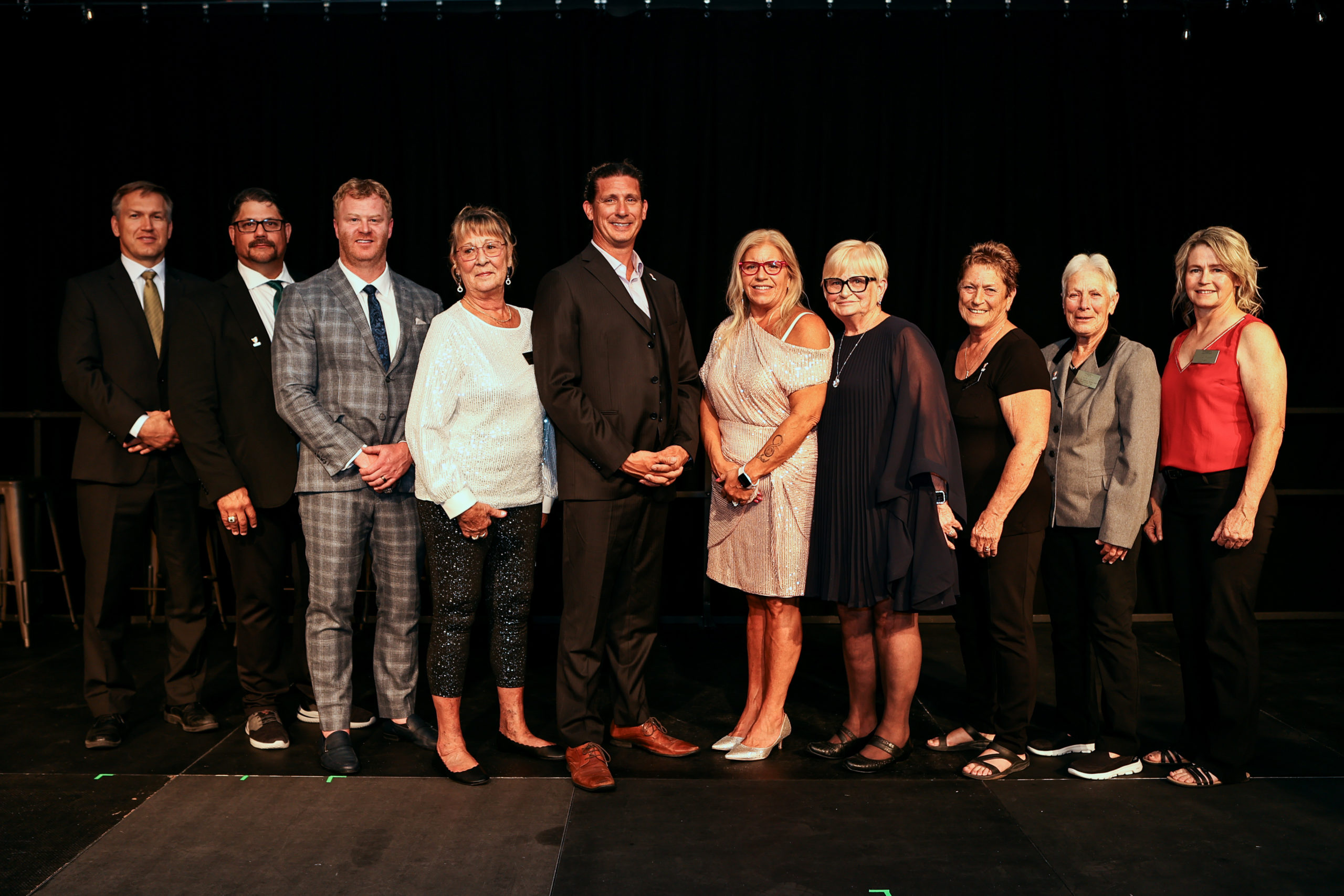
The Saskatchewan Sports Hall of Fame enshrined seven new inductees on September 20th during the 2025 Induction Dinner & Ceremony.
The Class of 2025 includes athletes Julie Foster (Rugby), Noah Miller (Water Polo), and Jon Ryan (Football); builders Brad Hornung (Hockey) and Klara Kesmarky Miller (Gymnastics); as well as the 1997 & 1998 Regina Rams Football Club and the 1978 & 1980 Saskatoon Harmony Centre Women’s Softball Team. With the induction of Foster and Miller, the SSHF welcomed its first rugby and water polo inductees. There are now 55 sports with inductees in the Hall. Klara Kesmarky Miller and Noah Miller are the first mother-and-son inducted into the SSHF and the first parent and child inducted in the same class who were not members of the same inducted team.

The Hall of Fame’s Class of 2025. Keith Hershmiller Photograph.

The Induction Dinner drew a capacity crowd of 450 to celebrate the new class. We thank everyone for their support on Induction night as well supporting the Hall of Fame’s online auction and the 50-50 draw, all of which will help support the SSHF’s programming in the upcoming year.
The Hall of Fame held an open house and autograph session in the afternoon while unveiling its newest exhibit, Dedication to Sport: Our 2025 Inductees.
The success of the Induction celebration would not be possible without the support of our sponsors.
Thank you to Football Saskatchewan for sponsoring the reception hour. We also would like to thank Casino Regina for their event sponsorship this year. The silent auction table was sponsored by Jeff Lighthart Financial. Finally, Robertson Stromberg LLP sponsored the dessert table.

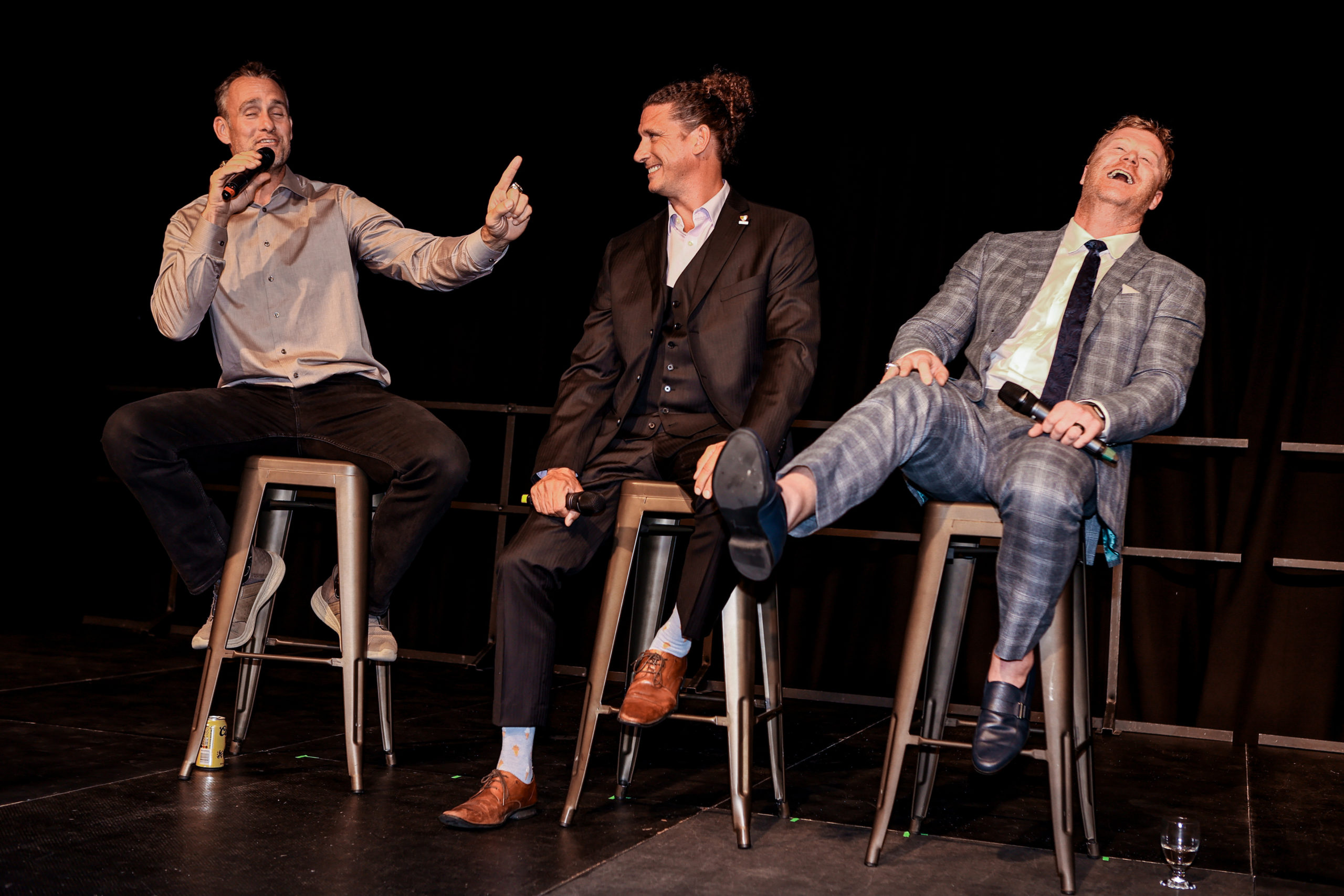
Jason Clermont, left, from the 1997 & 1998 Regina Rams takes part in the hot stove panel with Noah Miller and Jon Ryan during the 2025 Induction Dinner & Ceremony. Keith Hershmiller PhotographAlso thanks to Access Communications, Barkers Trophies & Gifts, Conexus Arts Centre, Keith Hershmiller Photography, SaskEnergy, Signature PrintIt, and Saskatchewan Lotteries for their support of the 2025 Induction Dinner & Ceremony.
In addition, the Canadian Western Agribition, Chicago Blackhawks, Leanne Cox, Dairy Queen (Sask. Drive, Elphinstone, Normanview Mall & Rochdale locations), Kevin Gallant, Hornoi Leasing, Terry Hornung, Knotted Thistle Pub, Leo’s Hospitality Group, Lucky Bastard Distillery, Nashville Predators, Regina Hotel Association, SaskEnergy, SaskPower, Saskatchewan Roughriders Foundation, Saskatchewan Sports Hall of Fame, Sherwood Co-Operative Association Ltd., Urban Cellars Quance, and the Vegas Golden Knights who all graciously supported the Hall of Fame’s auction.
Darrell Romuld emceed the event and Lieutenant Governor Bernadette McIntyre was one of several dignitaries on hand at the event.
The 2025 Induction Dinner & Ceremony will be broadcast by Access Communications in Saskatchewan on October 3 at 7 p.m.

Behind the Artifact with Wendel Clark

This month, the Saskatchewan Sports Hall of Fame debuted a new feature – Behind the Artifact.
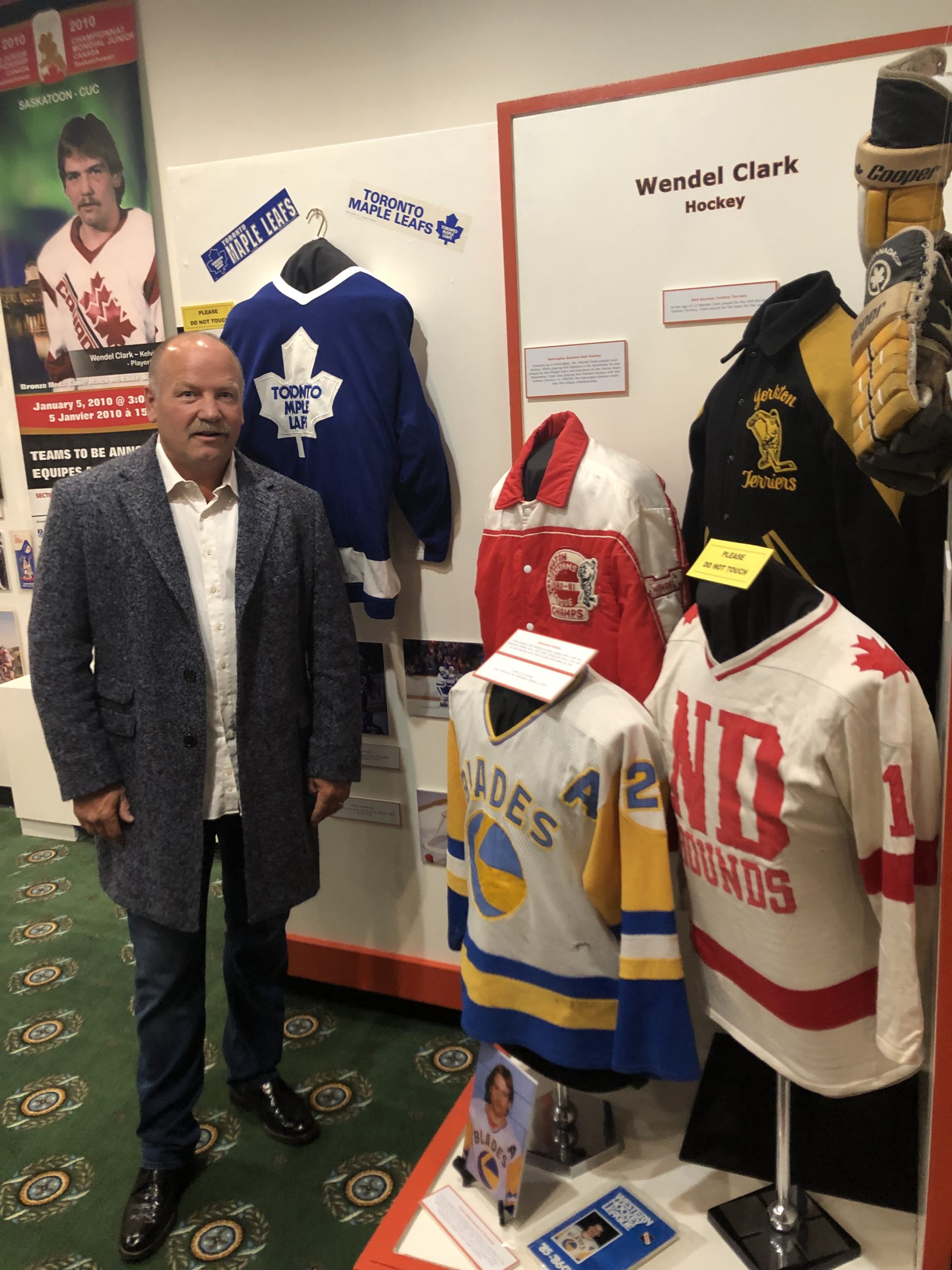
Hall of Fame inductee Wendel Clark joined SSHF curator Robyn Jensen for the debut episode. Clark was inducted into the Hall of Fame in 2019 after 15 seasons in the National Hockey League. The gritty winger from Kelvington was the first overall pick in the NHL Draft and spent most of his career starring with the Toronto Maple Leafs where he was a fan favourite.
In this edition of Behind the Artifact, Wendel discusses his time in minor hockey represented by his team jackets from his hometown Kelvington Bantam team, the Yorkton Terriers’ Bantam AAA team, and the Notre Dame Hounds Midget team.
Behind the Artifact will be a monthly feature at the SSHF. Be sure to follow our social media channels or subscribe to our YouTube channel to see the next edition.

Join our team for the summer!

Programming Assistant – Summer Position
June 29 – August 22, 2026
$18.35/hour | Approximately 280 hours

The Saskatchewan Sports Hall of Fame is looking for an enthusiastic and community-minded Programming Assistant to join our team for the summer. This position is ideal for someone who enjoys working with the public, bringing energy to community events, and helping create engaging experiences that connect people through sport, culture, and history, and is willing to work alternate hours, including weekends, evenings and some travel.

Throughout the summer, the successful candidate will play a key role in supporting the Hall of Fame’s Traveling Mobile Exhibit and community programming initiatives. From local activations in Regina to special events across Saskatchewan, this position offers the opportunity to travel, collaborate with a small team, and help deliver memorable experiences for visitors of all ages.

The Programming Assistant will also contribute to the development and delivery of hands-on activities, educational programming, and interactive demonstrations designed to encourage participation and learning. Whether helping children explore historical sport games, facilitating STEM-based physical literacy challenges, or supporting museum visitors during busy programming days, this role is perfect for someone who enjoys being active, adaptable, and creative.

This is a dynamic position that combines public engagement, event support, and behind-the-scenes museum work. No two days are exactly alike, and the successful candidate will gain valuable experience in programming, visitor services, event coordination, and cultural organization operations.

Applicants should be comfortable with travel, physical activity, and working flexible hours, including evenings and weekends. A criminal record check and a valid driver’s licence are required.

This position is funded through the Canada Summer Jobs program. Applicants must be between 15 and 30 years of age, legally eligible to work in Canada (international students are not eligible for the Canada Summer Jobs grant), and possess a valid Social Insurance Number.

We encourage applicants who are enthusiastic, reliable, and interested in community engagement, sport, history, education, or museum programming to apply.

The full job posting is available here. Please send resumes to [email protected] by 4 p.m. on Wednesday, June 10.


Hall opens new 60th anniversary featured exhibit

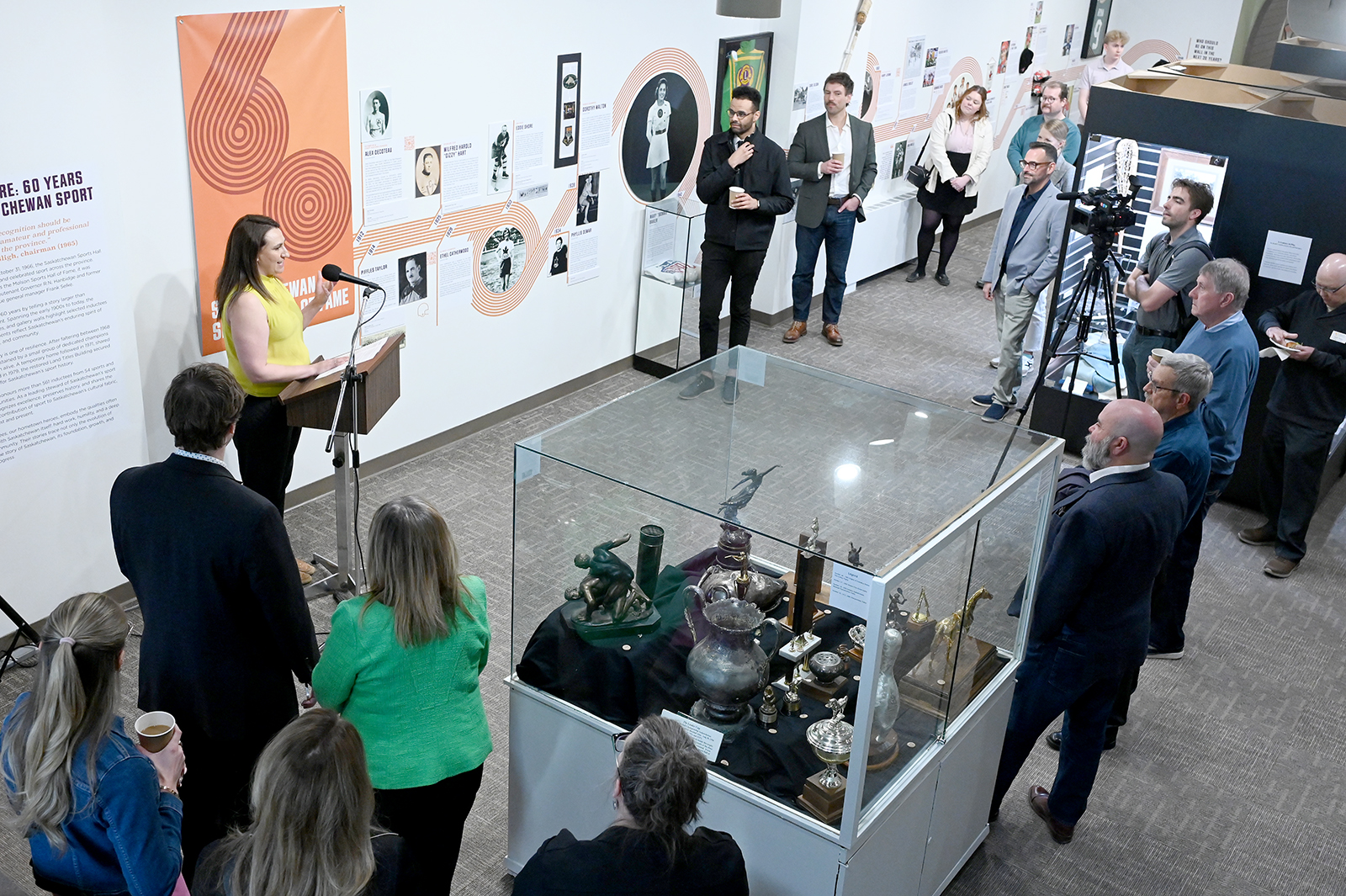
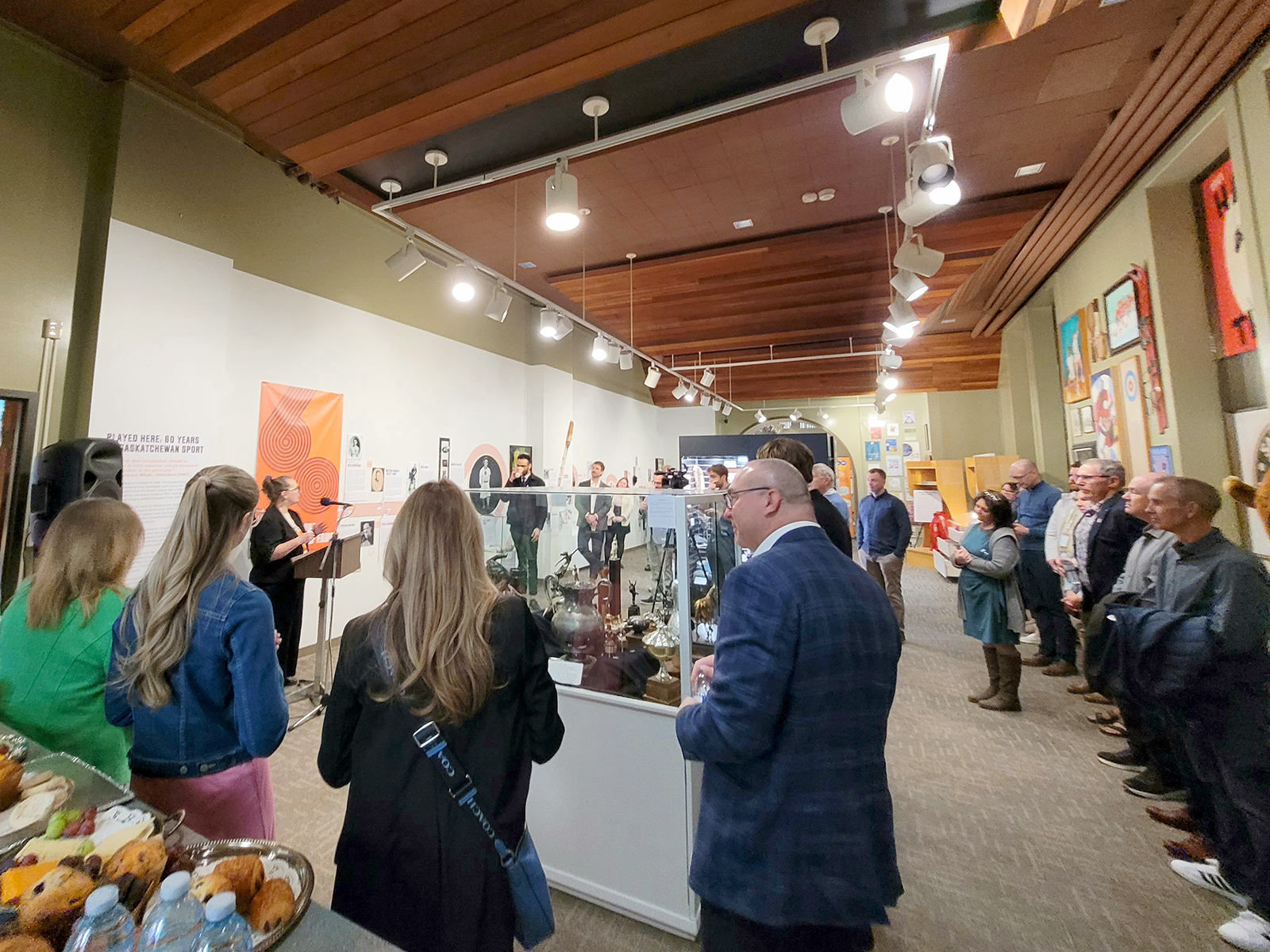
The Saskatchewan Sports Hall of Fame opened Played Here: 60 Years of Saskatchewan Sport on Thursday with a morning reception.

Played Here features a chronological timeline of the history of Saskatchewan sport featuring historic firsts, famous figures, and the incredible stories as the Hall celebrates its 60th anniversary. In addition, the exhibit features cases dedicated to different decades, chronicling the evolution of sport in the province.

The Hall was pleased to welcome the Honourable Alana Ross, Saskatchewan Minister for Parks, Culture and Sport, who brought greetings from the Province, along with Regina City Councilor Dan Rashovich (also an SSHF inductee with the 1989 Saskatchewan Roughriders team), who brought greetings from the City. They were joined by a great gathering of Saskatchewan sport leaders, tourism partners, and SSHF Board members, past and present, to celebrate the opening of the exhibit.

In addition to the opening of the exhibit, the Hall of Fame also unveiled a special 60th anniversary logo designed by Graeme Zirk. The Hall of Fame is also selling t-shirts with the retro anniversary logo, which are available on the SSHF website.


Hall celebrates with 60 years with great 2026 class

The Saskatchewan Sports Hall of Fame (SSHF) was pleased to announce the seven (7) inductees who will become the newest members of the SSHF this fall at an event Tuesday, April 14 at the Great Western Brewery in Saskatoon.

The Class of 2026 features four inductees in the athlete category, two builders, and one team which represents four championship seasons.

The 2026 inductees are:

IN THE ATHLETE CATEGORY:
Cameron Baerg (Saskatoon) – Rowing
Chris Getzlaf (Regina) – Football
Otto Huber (Lipton) – Golf
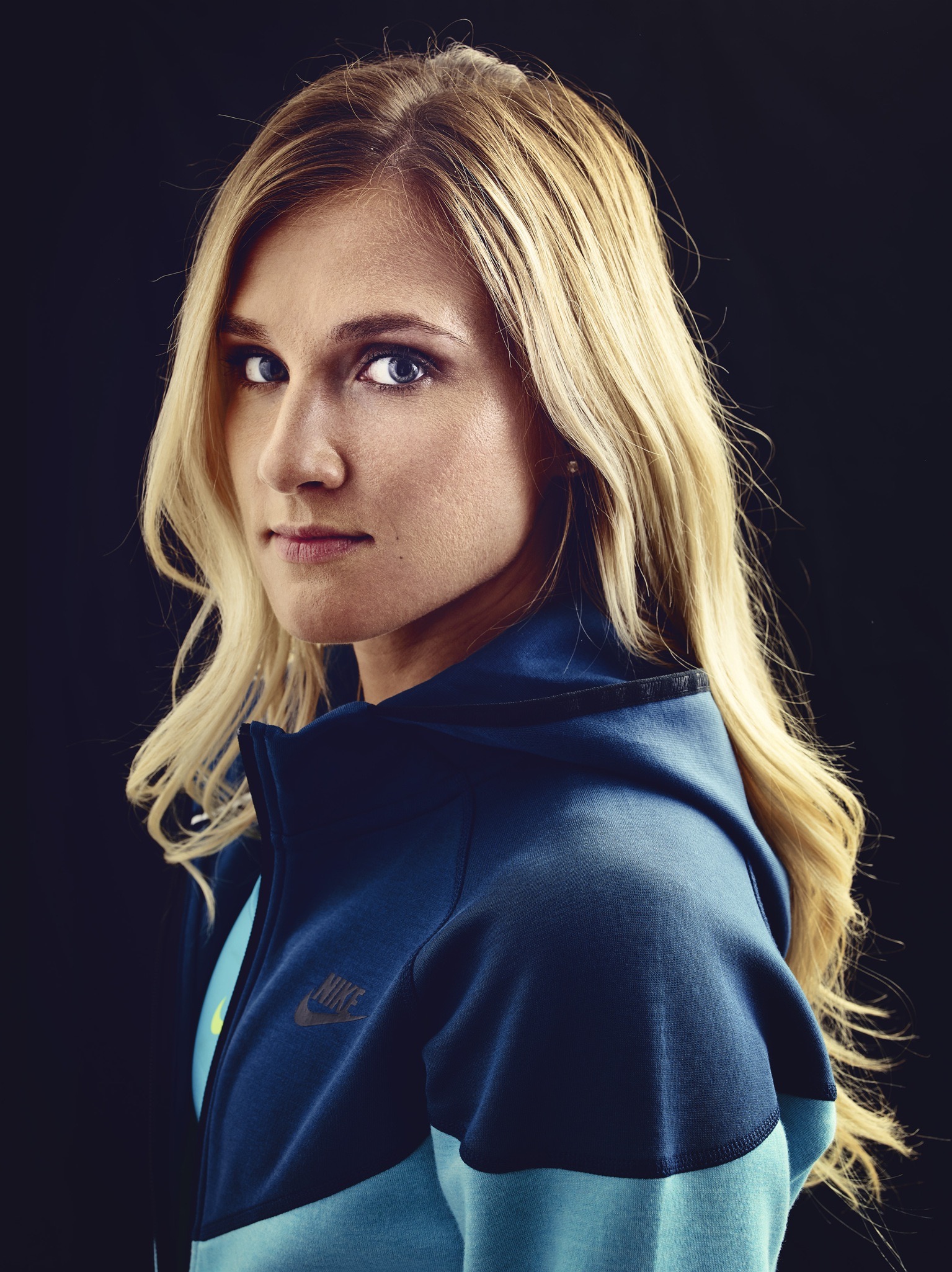
Brianne Theisen-Eaton (Humboldt) – Athletics

IN THE BUILDER CATEGORY:
Dr. Marlys Misfeldt (Saskatoon) – Sport Medicine & Science
Ross Wilson (Saskatoon) – Basketball

IN THE TEAM CATEGORY:
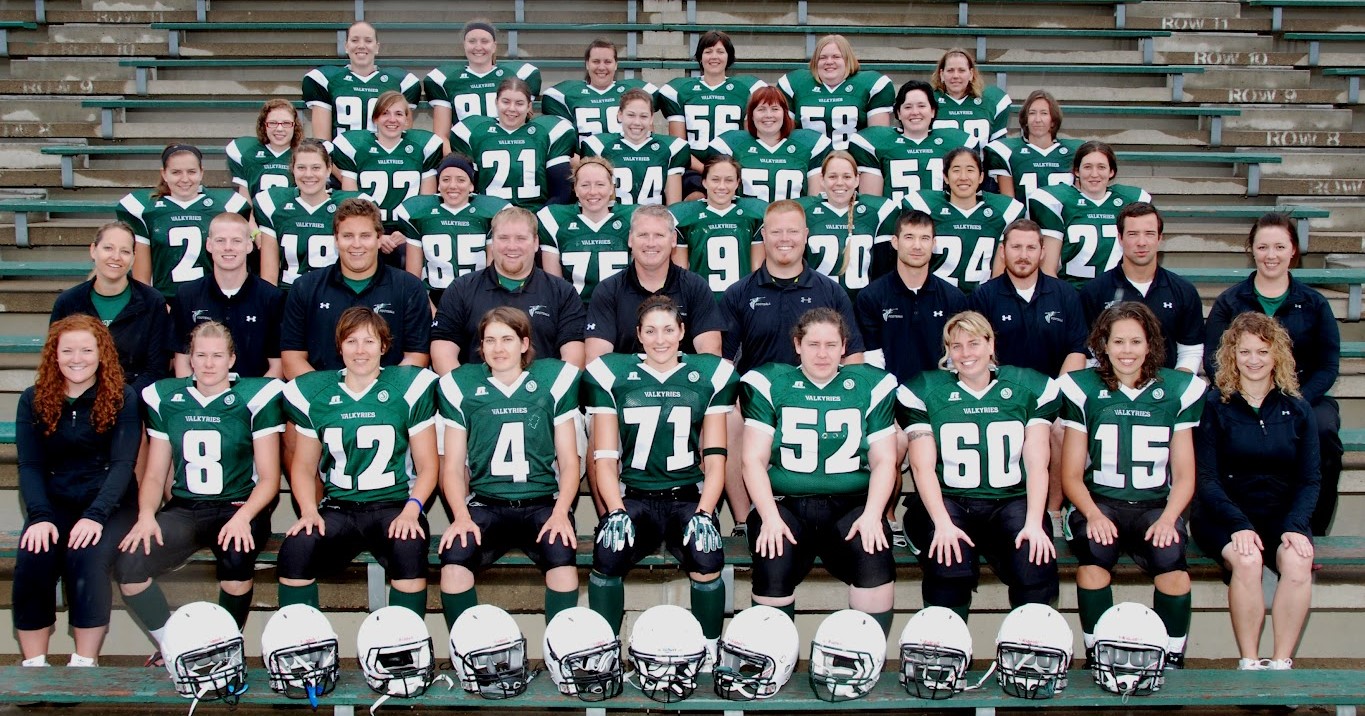
2011-2014 Saskatoon Valkyries Football Club

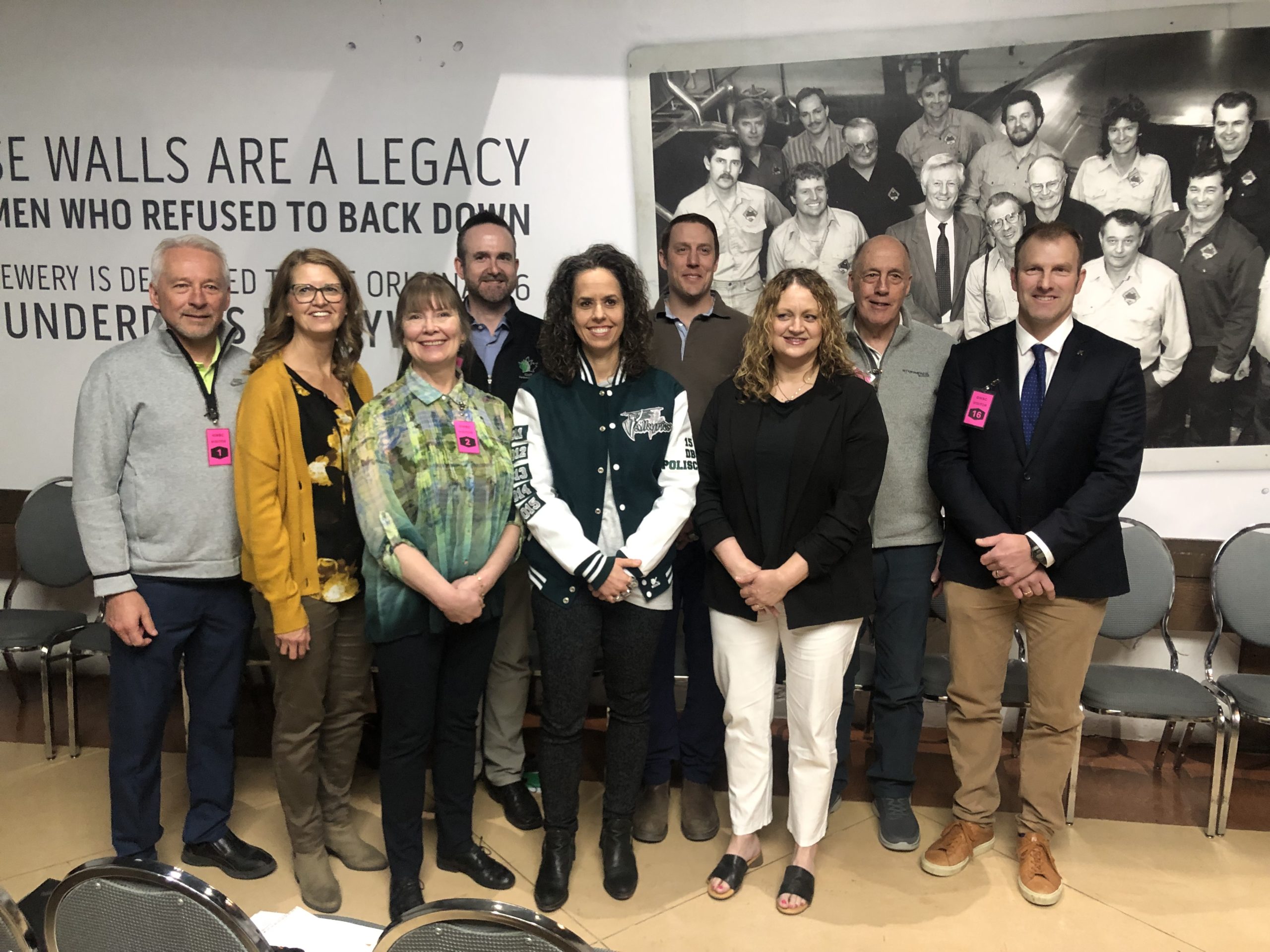
The 2026 Saskatchewan Sports Hall of Fame induction class and their representatives were introduced Tuesday, April 14 at the Great Western Brewery in Saskatoon. Pictured are Cal and Kim Theisen, left, (representing Brianne Theisen-Eaton), Dr. Marlys Misfeldt, Brian Lee, Executive Director and CEO of Golf Saskatchewan (representing Otto Huber), Carisa Polischuk from the Saskatoon Valkyries, Chris Getzlaf, Michelle Duchene, from the Valkyries, Ross Wilson, and Cameron Baerg.

The 2026 Induction Dinner & Ceremony at the Conexus Arts Centre in Regina on Saturday, September 26, 2026. Dinner will begin 7 p.m., preceded by a cocktail hour at 6 p.m. The installation of the 2026 Class begins at 8 p.m. Tickets are $120 per person and are on sale now at the Hall of Fame’s website.

The 2026 Induction Class features two Olympic medalists and a Grey Cup champion, two lifelong sport builders, plus a trailblazing athlete and team who each achieved great successes.

“We are thrilled to be welcoming this excellent class as the Hall of Fame celebrates 60 years in the community in 2026” said Erin Stankewich, Executive Director of the Saskatchewan Sports Hall of Fame. “This class is a great example of the work the Hall of Fame does to not only celebrate excellence but elevate stories and examples of Saskatchewan’s resilience and trailblazing spirit.”

Cameron Baerg won a silver medal at the 2004 Olympic Games in Athens in the men’s 2,000 metres coxless four, earning Canada’s only rowing medal at those Olympics in an incredible photo-finish. He also won a world championship with the Canadian coxless four in 2003 in Milan.

Chris Getflaf celebrates with fans after winning the 2013 Grey Cup.

Chris Getzlaf played 11 seasons in the Canadian Football League – 10 of those with his hometown Saskatchewan Roughriders. Getzlaf was named the Most Valuable Canadian of the 101st Grey Cup, as he caught three passes for 78 yards in the Riders’ 45-23 victory. He was also a two-time CFL West All-Star.

Otto Huber took up golf after he lost his vision in a hunting accident when he was 28 and went on to be a world-class blind golfer. He won the 1995 British Open Blind Golf Championship and finished second at the 1977 United States Blind Golf Association National Championship – the two most prestigious events in the sport.

Brianne Theisen-Eaton

Brianne Theisen-Eaton is a two-time Olympian, winning a bronze medal in the heptathlon at the 2016 Rio Games. She also won a pair of silver medals at the 2013 and 2015 IIAF World Championships and a gold medal at the 2014 Commonwealth Games.

Dr. Marlys Misfeldt has worked for nearly 40 years to increase the safety and quality of care for athletes in Saskatchewan while improving the awareness of the need for safety policies and procedures in sport. She has worked at all levels from amateur to university to pro teams and events. She also served the International Traditional Karate Federation in numerous capacities and at events over the decades, as well as decades of involvement with the Sport Medicine Council of Saskatchewan.

Ross Wilson served as the president of Basketball Canada for seven years and another seven years as the president of Basketball Saskatchewan Inc. He made a notable impact in both of those roles and has also served as an executive member with FIBA and on the Canadian Olympic Association’s board of directors.

The 2011 Saskatoon Valkyries championship football team.

The 2011-2014 Saskatoon Valkyries football teams took the field for the first time in 2011 and set a standard of excellence for the rest of the Western Women’s Canadian Football League. The Valkyries won the first four WWCFL titles and only lost one game in their four-year title run. In only their third year as a team, nine players and two alternates were chosen to play for Canada at the IFAF Women’s World Championship

Once again, the Hall of Fame is pleased to partner with The Atlas Hotel in Regina (4177 Albert St.) as our host hotel for the 2026 Induction weekend. Guests can use the promo code 092526SHF when they book their rooms at the Atlas to receive the special room rate of $164.95 before the deadline of August 21, 2026.

The announcement of the 2026 Induction Class is part of a yearlong celebration of the Hall of Fame’s 60th anniversary. A new exhibit celebrating our 60th anniversary will launch in May. The Hall of Fame’s mobile exhibit trailer will travel to communities across the province this summer to celebrate and share the great stories of Saskatchewan sport excellence.

Call for Applications — Board of Directors

In 2026, the Saskatchewan Sports Hall of Fame (SSHF) will mark a significant milestone—60 years of celebrating excellence in sport and honouring the stories that have shaped Saskatchewan.

This anniversary is more than a celebration; it represents a pivotal moment in the organization’s evolution as we prepare to expand our reach, strengthen our impact, and reimagine how Saskatchewan’s sport stories are shared in Regina and beyond.

The Saskatchewan Sports Hall of Fame is pleased to invite applications for appointment to its Board of Directors, for a three-year term commencing June 2026.

The SSHF exists to celebrate excellence, preserve Saskatchewan’s rich sport history, and educate and inspire the public about the vital role sport plays in our province’s cultural fabric. As we look ahead, the organization is focused on long-term sustainability, growth, and visionary leadership that will shape its next chapter.

Board members provide strategic leadership, sound governance, and stewardship of the organization’s mission and future. This volunteer role is well-suited to accomplished leaders who bring strategic insight, governance experience, and a passion for building a lasting legacy. Individuals with an affinity for sport, community impact, cultural institutions, and transformational projects are especially encouraged to apply.

This is a unique opportunity to contribute to a respected provincial institution at a defining moment in its history—and to help shape a legacy that will inspire generations to come.

To apply, please submit a resume and an expression of your interest in serving on the SSHF board to the attention of the Governance Committee at [email protected] by Friday, February 20, 2026.

There are many ways to support the Hall of Fame

The Saskatchewan Sports Hall of Fame is excited to be celebrating its 60th anniversary in 2026.

The Hall of Fame was officially opened on October 31, 1966, by Saskatchewan’s Lieutenant Governor R.L. Hanbidge and Frank J. Selke, who had just ended his 18-year tenure as the general manager of the Montreal Canadiens. The SSHF has several exciting events and initiatives that will be announced in the coming weeks and months.

In the meantime, a simple — yet powerful — way to support the Hall of Fame is by purchasing a membership. A healthy membership base demonstrates how deeply Saskatchewan values its sport heritage and it strengthens our case for an even brighter future. Annual memberships are affordable, easy to renew, and the best way to show that you believe in the importance of the work of the Hall of Fame to preserve and share Saskatchewan’s rich sport history.

By becoming a member, you are playing a direct role in supporting educational programs, maintaining the collection of over 19,000 artifacts, and ensuring that the stories of our province’s sporting heroes continue to inspire future generations. Memberships are $35 per year for individuals or $50 per year for a family. Members receive exclusive Invitations to exhibit openings and other special events hosted at or by the SSHF. Members also receive unlimited access to the SSHF and a subscription to the For The Record newsletter.

Other ways that you can support the SSHF include ongoing monthly donations, a one-time ‘Sport Investor Club’ donation, or you may consider planned giving options, including the newly established SSHF Shelia Kelly Legacy Fund. This endowed fund ensures a sustainable future for the SSHF. To learn more about this new fund, you can read more below or call the Hall directly at 306-780-9232.

SSHF announces the creation of the Sheila Kelly Legacy Fund

During the Saskatchewan Sports Hall of Fame’s 2025 Induction Dinner & Ceremony, the SSHF was proud to launch the Saskatchewan Sports Hall of Fame Sheila Kelly Legacy Fund.

In her 32 years as executive director of the SSHF, Sheila Kelly displayed passion, dedication and professionalism to help the Hall of Fame through a period of growth and stability. With the creation of the Sheila Kelly Legacy Fund, her commitment to the long-term sustainability of the Hall of Fame will live on.

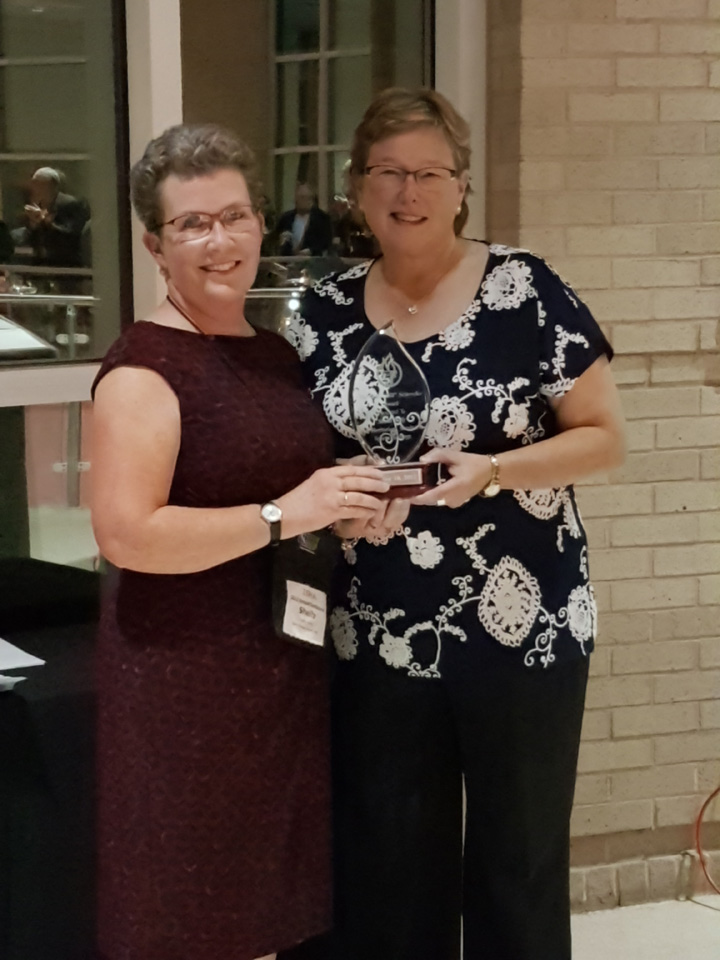
Sheila Kelly, left, receiving the International Sport Heritage Association’s Schroeder Award from Diane Imrie.The Hall of Fame not only preserves the stories of the province’s sport history, but it also educates and inspires future generations of athletes and citizens in Saskatchewan. Each year, thousands of students engage in the Hall of Fame’s award-winning educational outreach programming.

Through the Sheila Kelly Legacy Fund, you can support the important work of the Hall of Fame to preserve this cultural heritage. By supporting the fund, you can ensure that the SSHF remains a dynamic, self-sustaining attraction that honours the diverse sport history of Saskatchewan and will preserve and celebrate the stories of Saskatchewan athletes and their communities for future generations.

The Sheila Kelly Legacy Fund is administered by the South Saskatchewan Community Foundation.

Hall closes to remember and reflect on the impact of Residential School system

The National Day for Truth and Reconciliation on September 30 honours the children who never came home and the survivors of the residential school system as well as their families and communities.

The Saskatchewan Sports Hall of Fame will be closed on the National Day for Truth and Reconciliation as we pause to reflect on the impact and enduring legacy of the residential school system in Canada as we commit to moving toward reconciliation.

The National Day for Truth and Reconciliation was established in response to Call to Action 80 of the Truth and Reconciliation Commission of Canada which called for a federal statutory day of commemoration of the history and ongoing impact of the residential school system. At the Saskatchewan Sports Hall of Fame, we are committed to following the Truth and Reconciliation Commission of Canada’s 87th Call to Action that calls on sports halls of fame to provide public education that tells the national story of Aboriginal athletes in history.

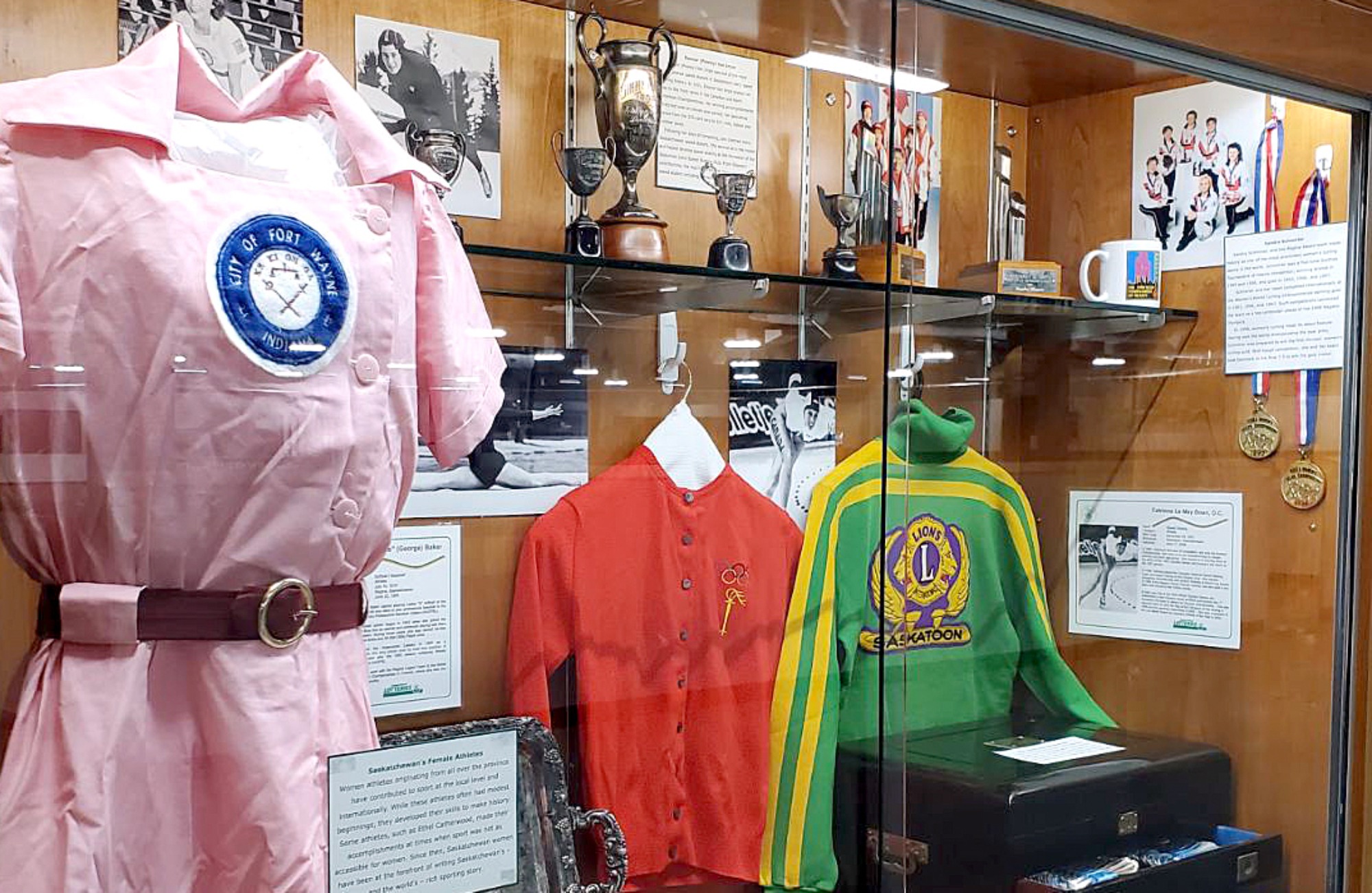
The Hall of Fame now offers a permanent exhibit called Truth and Reconciliation: Calls To Action which features artifacts and displays celebrating Saskatchewan indigenous sporting achievement. It also features a dedicated tablet that tells their stories in detail. The SSHF also has a display case and video kiosk celebrating Saskatchewan Indigenous athletes and their achievements, which is permanently displayed in the Physical Activity Complex at the University of Saskatchewan’s College of Kinesiology in Saskatoon.
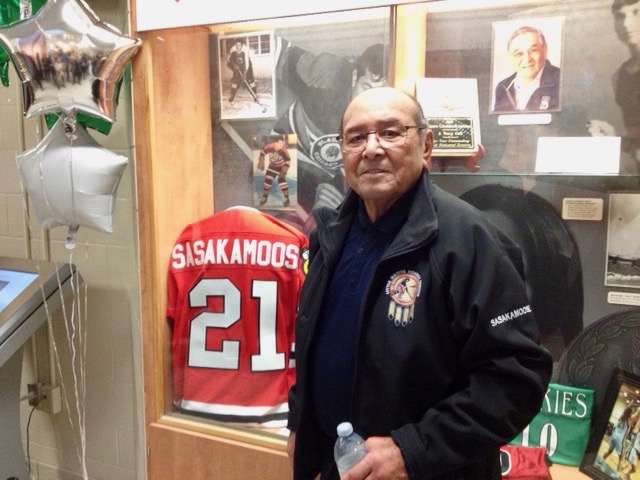
Fred Sasakamoose at the opening of the SSHF’s Indigenous sport exhibit at the University of Saskatchewan.
David Stobbe/StobbePhoto.ca

We continue to offer our Indigenous Legacies in Sport outreach program to classrooms across the province where we share the vital role that Indigenous athletes and builders have played in Saskatchewan’s sport and cultural history. This past year, through a partnership with Nature Saskatchewan, participants in the SSHF’s School’s Out program also learned about and played traditional Indigenous games.

The Saskatchewan Sports Hall of Fame currently has 11 individual athletes who identify as Indigenous and have been inducted. Those athletes and builders are: Paul AcooseColette BourgonjeTony CoteAlex DecoteauDavid GreyeyesJacqueline Lavallee, Ray MitsuingJim NeilsonClaude PetitFred Sasakamoose, and Bryan Trottier.

In addition to the individual Indigenous inductees, there are also Indigenous inductees who were enshrined in the Hall of Fame as members of a championship team.

There are several inductees in the Saskatchewan Sports Hall of Fame who were victims of the residential school system.

Fred Sasakamoose

Fred Sasakamoose wrote vividly and candidly about his experience at the residential school in his 2021 autobiography Call Me Indian: From the Trauma of Residential School to Becoming the NHL’s First Treaty Indigenous Player.

When he was six years old, he and his brother Frank were taken from their parents by Indian agents from the Canadian government and driven with 30 other children to the St. Michael’s Indian Residential School in Duck Lake more than 100 kilometres away from his home on the  Ahtahkakoop Cree Nation.  He suffered horrible abuse at the school as well as dehumanizing treatment along with the other students.

Despite all that he suffered as a child, Sasakamoose starred as a junior player in Moose Jaw being named the Most Valuable Player in the Western Canadian Junior Hockey League in 1953-54. He reached the National Hockey League as a 19-year-old in 1953 with the Chicago Black Hawks. In doing so, Sasakamoose became the first Indigenous person with Treaty status to play in the NHL.

Sasakamoose also spent 35 years as a Band Councillor of the Ahtahkakoop Cree Nation, including six as Chief. He worked to give back to his community and build and develop minor hockey and other sports there.

Ken Moore

Kenneth Moore, from the Peepeekisis Cree Nation, was inducted into the SSHF as a member of the 1930 Regina Pats hockey team that won the Memorial Cup. Moore is also the first Indigenous Canadian athlete to win an Olympic gold medal.

Moore was the third of eight siblings. His two older brothers had been taken to the Brandon Indian Residential School in Manitoba – more than 300 kilometres away. They both died after being sent to the residential school. Kenneth would have been forced to attend the school when he turned seven. Instead, the Moore family fled the Peepeekisis First Nation in the middle of the night.

These stories from two of our inductees are just a small example of the countless ways the residential school system has impacted the Indigenous population.

The Saskatchewan Sports Hall of Fame is proud to be physically located in Treaty 4 territory, which is home to the Cree, Dakota, Lakota, Nakota, and Saulteaux people since time immemorial and are the traditional homelands of the Métis Nation. The Saskatchewan Sports Hall of Fame also celebrates the history of sport and the people from the land that is covered by Treaties 2, 4, 5, 6, 8, and 10. These lands have been the home of the Cree, Dakota, Dene, Lakota, Nakota, and Saulteaux people since time immemorial and are the traditional homelands of the Métis Nation.

Our nomination process is open to the public and if you believe you know of an athlete, builder or team that deserves inclusion in the Hall of Fame we invite you to nominate them. You can learn more about that process here.